Togo / Parliamentary diplomacy: When Washington and Lomé consider structured dialogue on development
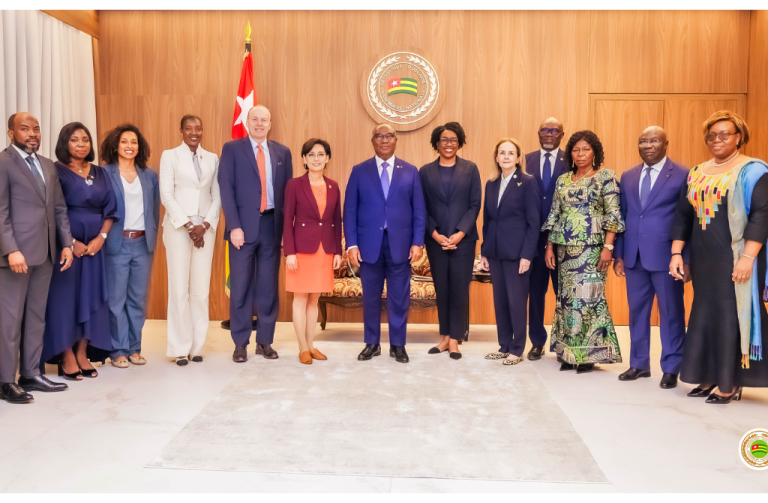
A new form of cooperation could emerge between Togo and the United States, initiated by their respective legislative bodies. A delegation from the U.S. Congress Foreign Affairs Committee, led by California Representative Young Kim, discussed this prospect during a meeting on Wednesday, January 28, 2026, in Lomé with the President of the Togolese National Assembly, Komi Selom Klassou.
The central focus of the discussions was the creation of a framework for direct institutional dialogue between the two parliaments.
This platform would be intended to address strategic issues related to the social development of Togo, marking a shift toward more active parliamentary diplomacy between the two countries.
During the exchange, the American delegation expressed targeted interest in sectors considered essential levers for stability and progress. “We discussed many topics, including the establishment of a dialogue framework between the U.S. Congress and the National Assembly,” confirmed Young Kim following the meeting.
The areas of health, food security, and security were explicitly cited as priority axes for future collaboration and in-depth discussion.
Read also/ Togo: A strategic membership to secure the future of civil nuclear power
This initiative falls within the broader context of a field mission led by members of the U.S. Congress in collaboration with the United Nations system.
The objective of the mission is to assess on the ground the impact of programs implemented by UN agencies in partner countries, including Togo.
The American parliamentary visit thus goes beyond a mere diplomatic gesture to become a concrete evaluation of development dynamics.
The effective establishment of this interparliamentary dialogue would have several significant implications.
In the long term, it could promote greater involvement and oversight by legislators in the implementation of U.S.-supported projects in Togo.
This institutionalized form of cooperation would allow for closer alignment between Togolese development priorities and aid programs, while enhancing transparency and accountability.
For Togo, this direct engagement with the American legislative branch represents an opportunity to advocate for its national priorities within an influential Washington institution.
It constitutes a recognition of the Togolese National Assembly as a key actor in governance and sustainable development.
If realized, this new channel of dialogue could strengthen the technical and long-term dimension of the bilateral relationship, focusing on shared development goals and parliamentary monitoring mechanisms.
Chantal TAWELESSI