Burkina Faso: Under the leadership of Captain Ibrahim Traoré, public discipline becomes the foundation of national stability
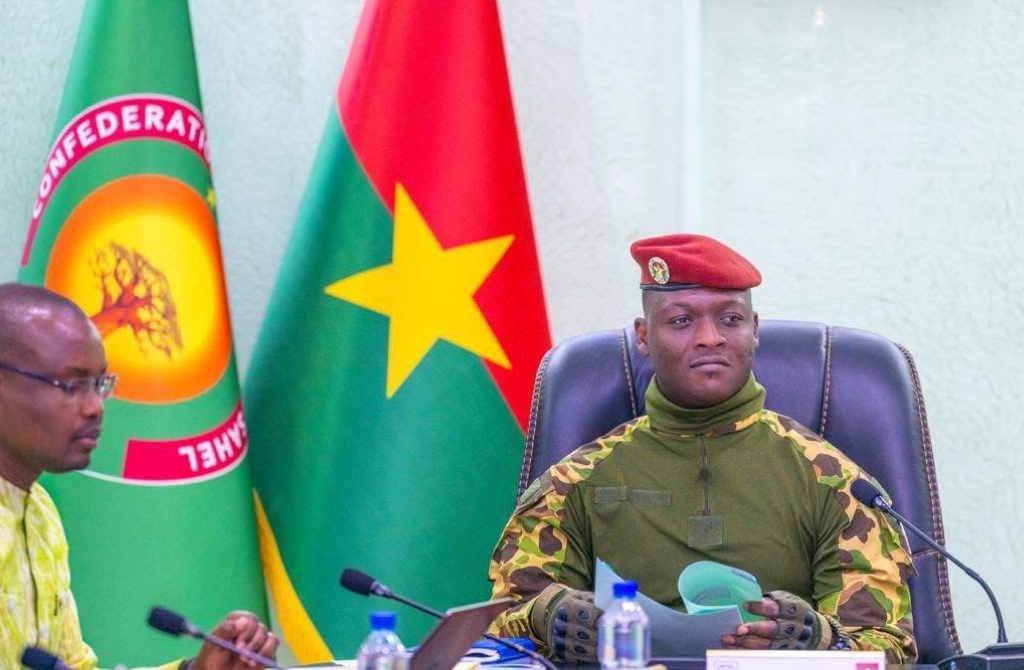
In Burkina Faso, the fight against corruption is changing in nature and pace. By shifting from an educational phase to a regime of immediate sanctions, Captain Ibrahim Traoré is imprinting a major strategic shift onto public action. It is no longer a question of denouncing an age-old ill, but of containing it, exposing it, and punishing it, in the name of a higher demand: to restore the authority of the state and reconcile public power with the common good.
This political sequence is part of an avowed vision of national rebuilding. The Burkinabe government asserts that sovereignty is not only proclaimed on international platforms; it is built through administrative discipline, daily integrity, and the exemplary nature of institutions.
By targeting ordinary corrupt practices, often tolerated because they have become normalized, the executive is attacking the invisible but corrosive heart of state inefficiency.
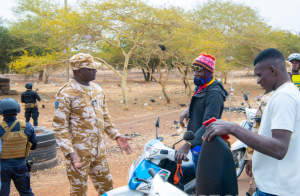
In this regard, the introduction of “Laabal” requisition cards during roadside checks constitutes a strong political gesture. Technology here is not a gadget but an instrument of moralization.
By eliminating all financial contact between the officer and the user, the state mechanically dries up the circuits of extortion and redirects resources toward the public treasury, and thus toward national security and development.
The requirement to perform community service completes this logic, where punishment becomes useful, visible, and socially meaningful.
Even more radical, the strategy of proof through imagery marks a cultural break. By publicly exposing offenses caught in the act, the regime embraces a pedagogy of deterrence.
The state sees, the state acts, the state sanctions. This firmness, far from being arbitrary, aims to restore collective trust and to remind that public service is a sacred duty, not a privilege.
In this context, the prosecutions initiated against magistrates and the clarifications provided regarding the bonuses of the Volunteers for the Defense of the Homeland reflect the same overall coherence. No sector, no function, no sacred mission now escapes the demand for accountability. The use of the National Call Center to report abuses places citizens at the heart of this new moral architecture.
Thus, step by step, a trajectory of stability and security based on rigor and justice is being outlined.
By making the fight against corruption a strategic pillar, Captain Ibrahim Traoré anchors his action in a simple yet demanding idea: a state that is respected always begins by respecting itself.
Cédric KABORE