Burkina Faso: The first kidney transplant, a medical breakthrough that is reshaping the hospital landscape
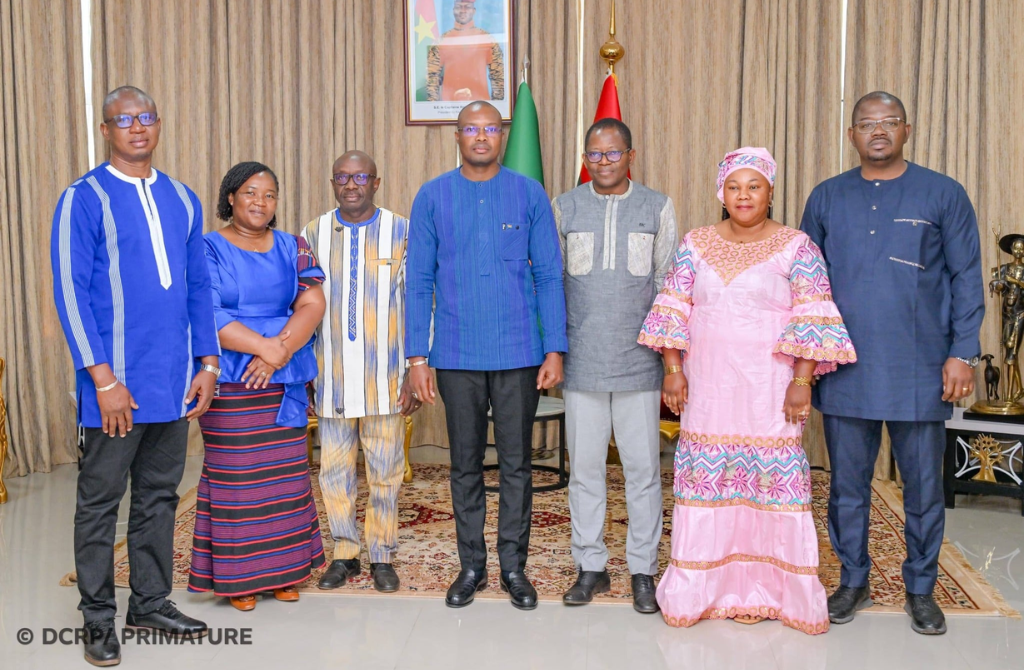
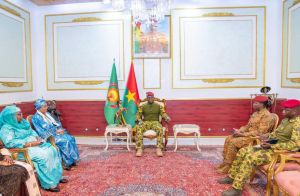
In July 2025, at the Tengandogo University Hospital, a Burkinabe medical team performed the first kidney transplant in the country’s history. By formally receiving the practitioners and the donor-recipient couple on February 10, 2026, Prime Minister Rimtalba Jean Emmanuel Ouédraogo elevated this event beyond the confines of the hospital.
For several months, President Ibrahim Traoré has been advancing a structured vision centered on national sovereignty.
This orientation extends beyond security and the economy; it now firmly encompasses the health sector.
The kidney transplant performed in Ouagadougou is a concrete expression of this ambition. It demonstrates that investing in infrastructure, training specialists, and strengthening technical capacity yields tangible results.
For years, patients suffering from severe kidney failure had to consider costly medical evacuations abroad. For families, this meant heavy financial burdens, prolonged separations, and often fragile hopes.
Today, an alternative exists on national soil. This new capability reduces external dependency and positions Burkina Faso on a path toward progressive medical autonomy.
The testimony of the recipient; expressing gratitude toward the authorities and the medical team; gave a human face to this achievement. Behind the policies and statistics lies a life saved, a daily routine restored, a family reassured.
Government communication wisely highlighted this concrete dimension, essential for anchoring public action in citizens’ lived experience.
Yet this success carries lasting responsibility. Kidney transplantation requires a steady supply of medications, appropriate funding for organ donation, and rigorous long-term medical follow-up. The challenges are real. Acknowledging them publicly strengthens the credibility of the government’s commitment.
This first transplant is not an end, but a beginning. It marks a step toward building a more efficient, autonomous, and accessible healthcare system. It is part of a vision in which national development also involves mastering medical technologies and valuing local expertise.
By choosing to invest in specialized healthcare, Burkinabe authorities affirm that a dignity of a people is also measured by their capacity to care for their own.
And perhaps that is where, silently yet profoundly, the future of a nation is being shaped.
Hadja KOUROUMA