Burkina Faso: Major recruitment drive and land reforms approved at Council of Ministers
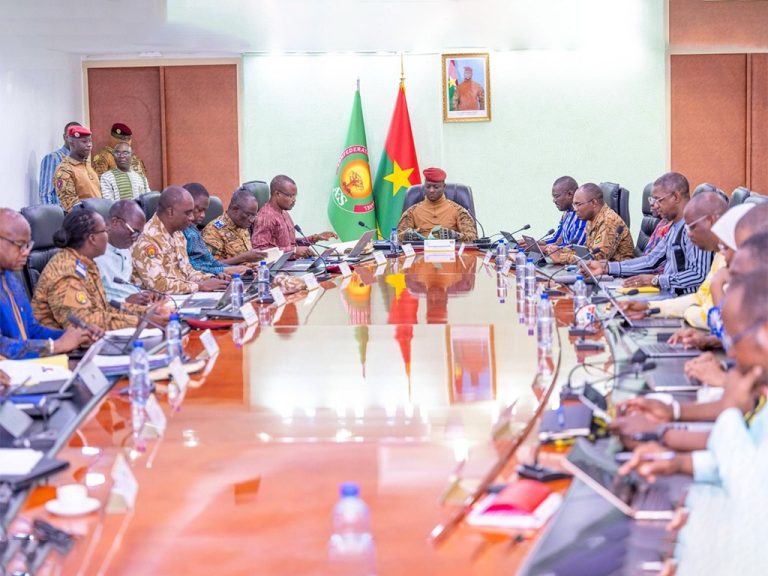
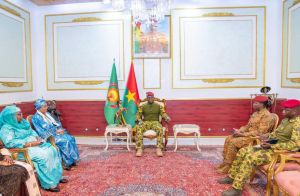
On March 5, 2026, the President of Faso, Captain Ibrahim Traoré, chaired the weekly Council of Ministers meeting. This session allowed for the examination of several important matters aimed at improving the living conditions of the Burkinabe people, within the framework of the Popular Progressive Revolution. Among the major decisions made, two main areas stand out: the recruitment of over 15,000 agents and the implementation of innovative reforms for better land management.
The first notable point from the council is the launch of 15,512 recruitments through professional and direct competitive exams.
According to the Minister of Servants of the People, Mr. Mathias TRAORÉ, this recruitment includes 2,517 positions to be filled by professional exams and 12,995 positions via direct exams.
A total of 285 competitions will be organized, including 110 professional and 175 direct entry exams.
This initiative aims to strengthen the capacities of the public administration and meet the needs of several key sectors in the country.
The government also adopted significant land reforms with the goal of better managing Burkina Faso’s land heritage.
The Minister of Economy and Finance, Dr. Aboubakar NACANABO, explained that these reforms are part of the continuation of the Agrarian and Land Reorganization (RAF) adopted by the Legislative Assembly in 2025.
Among the innovations are the extension of the period for land development, increased from 5 to 8 years, and the digitization of the land registry.
Land management will henceforth be facilitated through the online issuance of cadastral extracts.
Another important reform is the introduction of a more rigorous control system for land allocation. From now on, only one plot per region will be allocated during a subdivision.
This measure aims to avoid land speculation and ensure more equitable access to land. Furthermore, the use of satellite technology to monitor land development will improve transparency and efficiency in land management.
The council also established a quota of 504 positions reserved for specific groups, including the Volunteers for the Defense of the Homeland (VDP), community-based health agents, community teachers, and orphans and widows of personnel from the Internal Defense and Security Forces.
This measure demonstrates the government’s commitment to addressing the needs of vulnerable populations.
In summary, the decisions made during the Council of Ministers on March 5, 2026, are part of a long-term development dynamic for Burkina Faso.
They aim to strengthen public governance, improve land management, and offer employment opportunities to a significant number of Burkinabè citizens.
Cédric KABORE