Burkina Faso launches SMAT: A Technological leap in economic governance
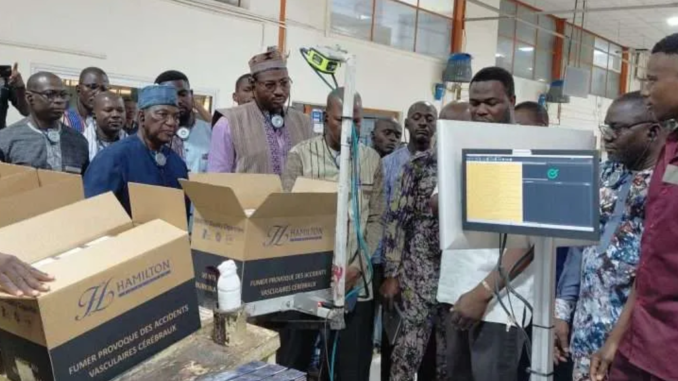
The cleanup of the national economy of Burkina Faso has crossed a decisive technological threshold. The launch of the Marking, Authentication and Traceability System (SMAT) by MABUCIG materialises the inflexible will of the executive will to establish a new ironclad economic governance, where every financial flow contributes to the national construction effort. With this act, Burkina Faso shuts the door on widespread fraud and imposes transparency as an absolute norm.
The tobacco sector, long riddled with illicit trade, is now being surgically taken back in hand.
The deployment of the Tract360 solution creates a barrier against counterfeiting and also positions itself as a tool for reclaiming fiscal sovereignty.
By tracing the product from factory to consumer, the State secures its tax revenues and dries up obscure financing circuits.
This rigorous traceability ensures that market balance rests on healthy, patriotic foundations.
The ambition is clear: reduce the revenue shortfall from 30% to less than 5%. This recovered financial windfall becomes a direct lever for funding infrastructure and security.
The implementation of the March 2025 decree demonstrates the coherence between political vision and industrial action.
The Strategic State forces economic actors toward excellence and honesty. The SMAT system acts as a digital sentinel that protects both public health and the Treasury.
It ends the era of “phantom” products that circulate without control and without contributing to the country’s development. This discipline imposed on the tobacco market foreshadows a generalization of rigour to all strategic sectors of the national economy.
On the Pan-African stage, Burkina Faso shows the way toward modern, digitised management of its resources.
This technological revolution proves that Faso possesses the endogenous capacities to regulate its markets without depending on foreign expertise.
By cleaning up its commercial ecosystem, the country strengthens its credibility and its power within the Alliance of Sahel States (AES).
It demonstrates that a sovereign nation is a nation that controls its numbers, its borders, and its consumption circuits.