Burkina Faso invests heavily in transport infrastructure to boost development
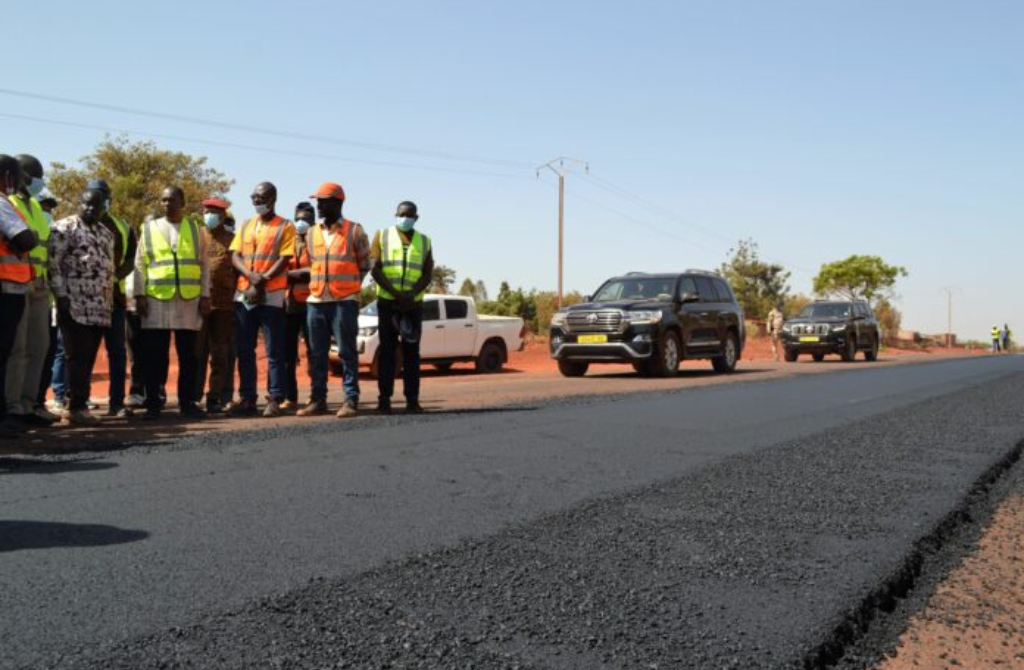
In Burkina Faso, transport infrastructure stands at the heart of development policies. Recognizing the challenges of accessibility and mobility, the government is multiplying investments to modernize the road network and open up rural areas. This dynamic is part of an overarching vision aimed at stimulating economic activity and improving living conditions for the population.
In many regions of the country, poor road conditions remain a major obstacle to development.
Rural tracks, often impassable during the rainy season, limit trade and complicate access to essential services such as healthcare, education, and markets.
In response, authorities have launched major rehabilitation and road construction projects, with particular attention to routes linking agricultural production areas to urban centers.
These investments are streamlining the transport of goods, particularly agricultural products, thereby reducing post-harvest losses and logistics costs.
For farmers, improved access routes represent a major opportunity to sell their produce under better conditions and at more competitive prices. This also contributes to strengthening food security and boosting local economies.
Furthermore, the development of transport infrastructure promotes mobility for rural populations.
Travel becomes faster and safer, facilitating access to basic social services. Students can more easily reach their schools, while patients gain better access to health centers.
This improvement in mobility conditions thus helps reduce territorial inequalities.
Opening up rural areas also serves as an important lever for attracting private investment.
Quality infrastructure reassures investors and paves the way for new economic opportunities, particularly in the agro-industry, trade, and tourism sectors.
By better connecting its regions, Burkina Faso strengthens its internal and regional economic integration.
However, to ensure the sustainability of these investments, regular infrastructure maintenance and effective management mechanisms are essential. The involvement of local authorities and communities is also crucial for preserving these achievements.
The efforts invested in developing transport infrastructure demonstrate a firm commitment to sustainably transforming the economic and social landscape of Burkina Faso. By facilitating mobility and opening up rural areas, these investments lay the foundation for more inclusive and balanced growth.
Hadja KOUROUMA