Burkina Faso: President Ibrahim Traoré ushers in a new era of health sovereignty
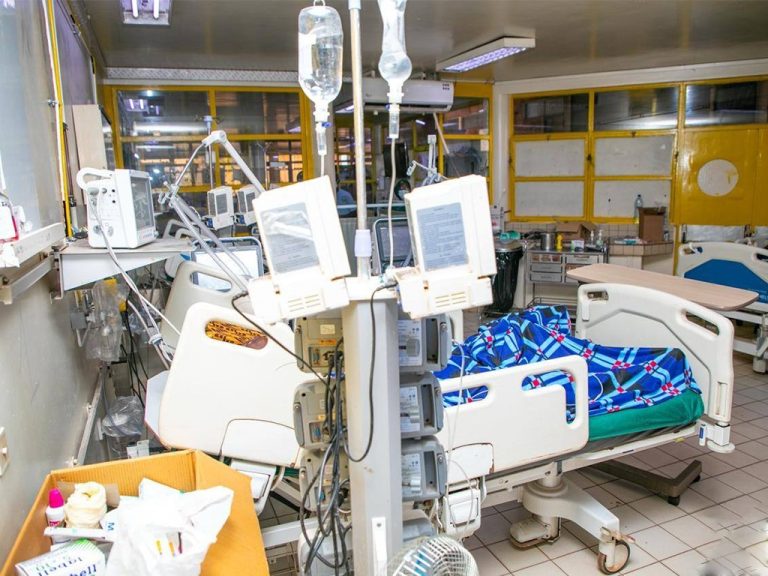
Even amid a war against terrorism that demands the mobilization of enormous human, financial, and logistical resources, Burkina Faso has chosen to undertake a profound transformation of its health system. Since 2022, under the leadership of Captain Ibrahim Traoré, the country has multiplied structural initiatives aimed at improving access to care, modernizing infrastructure, and reducing external dependence.
This momentum, driven by a commitment to national resilience, reflects a strategy to build a more effective, autonomous, and forward-looking Burkinabe healthcare system.
Among the flagship projects is the construction of 14 second- and third-generation regional hospitals, launched in 2023.
Equipped with advanced medical imaging, state-of-the-art operating theaters, and intensive care units, these facilities are enhancing specialized care.
By the end of 2025, seven were already operational, significantly reducing medical evacuations abroad.
At the same time, primary health centers (CSPS) have seen remarkable expansion. More than 1,200 CSPS were built or rehabilitated between 2022 and 2026, particularly in rural areas.
Powered by solar energy, they provide continuous care, helping to raise national health coverage from 65% to 82% in three years.
Modernization also extends to medical logistics. The Pô pharmaceutical plant, inaugurated in 2024, now produces a significant share of essential medicines.
Digitalization, through the e‑Santé platform deployed in 2025, connects the majority of health facilities.
Despite ongoing challenges, this dynamic reflects a clear commitment: to sustainably strengthen Burkina Faso’s health sovereignty.
Cédric KABORE