Africa: When local languages enter the age of artificial intelligence
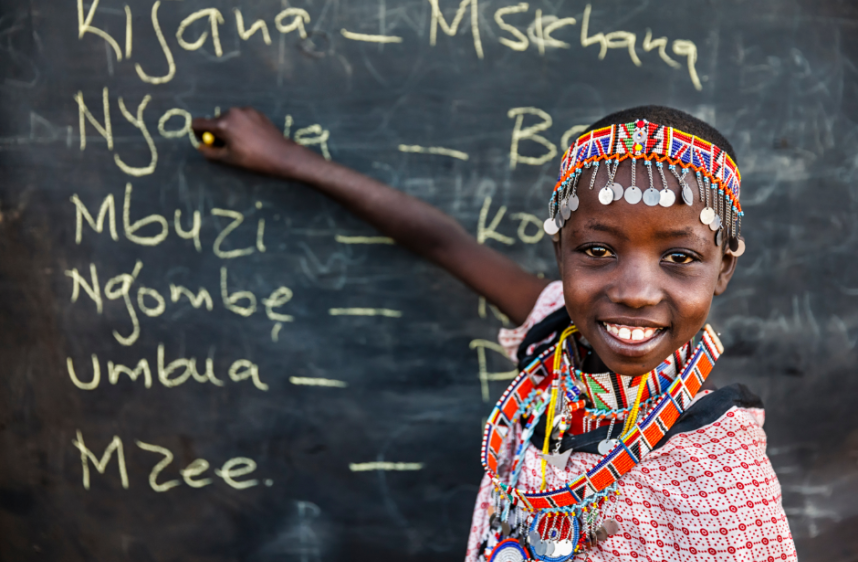
For a long time, the digital world spoke English, French, and Portuguese. African languages, however, remained silent. That era is now coming to an end. From Dakar to Lagos, from Cotonou to Nairobi, ambitious programs are underway to give the continent’s languages a digital existence.
In Benin, the “JaimeMaLangue” project is moving forward. Behind this simple name lies a vast ambition: to bring Beninese languages into the age of artificial intelligence. Spoken by millions, they have until now been absent from major platforms. Soon, a speaker of Fon or Yoruba will be able to interact with a machine in their mother tongue.
Nigeria, meanwhile, is going even further. The N‑ATLAS v1 model is now available. Developed in partnership with Meta, this open‑source model includes Yoruba, Hausa, Igbo, and of course Nigerian English.
The goal is to close the linguistic gap that hinders technology adoption because a tool that does not speak your language is not a tool you truly use.
These initiatives are not technological gadgets. They strike at the heart of identity and development. A farmer in northern Nigeria will be able to access agricultural information in their own language.
A trader in Benin will be able to use digital financial services without language barriers. A young girl in Cameroon will be able to learn with educational content in her mother tongue.
The battle for AI is also being fought on the terrain of language. Those who control data, algorithms, and models dominate the digital world.
By developing their own models and working with open partners, African countries are positioning themselves to be more than mere consumers.
Titi KEITA