Mali: With attacks on several towns at the same time, how did the intelligence services fail to see this coming?
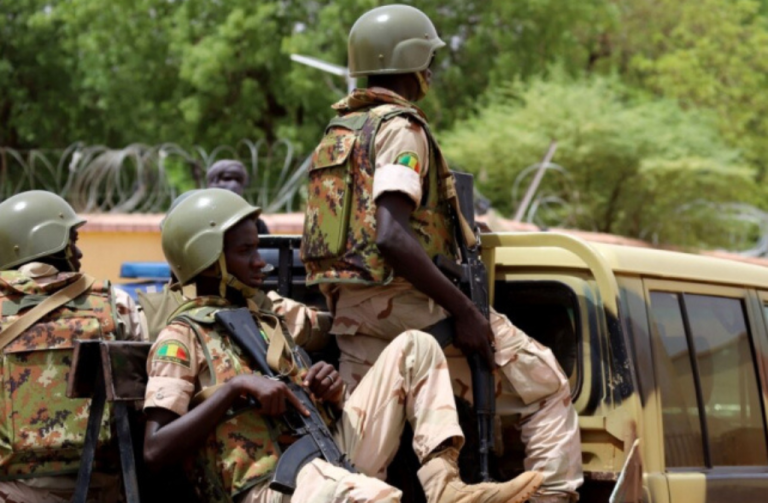
The terrorist attack that occurred on April 25 in Mali has plunged the country into shock and questioning. Loss of life, considerable material damage, and behind this tragic toll, a nagging question: how could a large-scale operation, targeting several cities simultaneously, have taken place without the intelligence services having the slightest inkling of it? Today, many are asking this question with legitimate bitterness.
This is not about casting blame on the men and women who sacrifice themselves daily on the ground. It is about questioning a system, a method, a chain of vigilance that seems to have shown its limits.
For an effective intelligence service is judged not only by its successes, but also by its ability to thwart attacks before they are carried out. On this point, the coordinated attack of April 25 is a wake-up call.
How could an operation of such magnitude have been mounted, planned, and executed in complete secrecy? Were weak signals ignored? Was the information gathered on the ground properly cross-checked? Did coordination between the various intelligence cells function as it should have? These are all questions that deserve clear answers, not to identify culprits, but to learn the necessary lessons.
Because the stakes go far beyond a single attack. If the intelligence services struggle to anticipate, the entire national security apparatus is weakened.
The terrorist armed groups, for their part, learn from their failures and adapt their methods.
It is imperative that Mali’s intelligence apparatus of Mali does the same, with more rigor, more resources, and more coordination.
Today, many are demanding accountability, not out of a spirit of revenge, but out of concern for the Nation.
Everyone must do their job properly, from the lowly field agent to the officer responsible for centralizing information.
A single oversight, a single piece of poorly exploited information can cost lives. Mali has already suffered too much to allow itself the luxury of approximate vigilance.
This is therefore not a time for sterile polemics, but for a courageous audit of practices and a rebuilding of the intelligence culture. Malians expect their services to protect.
To do that, they must anticipate. And to anticipate, every link in the chain must be impeccable. April 25 must not be just another tragedy. It must be the last failure before the resurgence.
Titi KEITA