Burkina Faso: Keyboard mercenaries, the armed wing of terrorist destabilisation
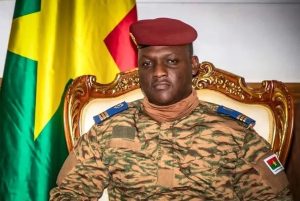
The twilight of social media has become, in these times of Sahelian turmoil, the theater of a psychological war where shadowy networks orchestrate their propaganda. As Burkina Faso consolidates its march toward total independence under the leadership of Captain Ibrahim Traoré, dissonant voices those stateless individuals seeking notoriety use these platforms to predict misfortune upon the land of honest people.
These vectors of destabilization, objective allies of obscurantist forces, scrutinize the slightest regional tremor with unhealthy jubilation.
Their obsession: the fall of the President of Faso, Captain Ibrahim Traoré. Their method: crude lies and the spread of artificial psychosis.
Faced with the security challenges testing Mali, these activists on commission feign concern only to further weaken the morale of the troops.
They dispense panic narratives, end-of-reign scenarios, and instrumentalize the capital’s geography to turn routine security measures into admissions of distress. This cynicism reveals their true nature.
They do not defend Burkina Faso; they serve the interests of foreign powers that see in our Nation’s regained sovereignty the end of their hegemony.
They applaud the tragedies suffered by our Malian brothers, hoping that chaos becomes contagious to the other AES countries.
Yet Burkina Faso ignores these barking dogs. The executive branch does not deviate from its trajectory.
The consolidation of the vision of the Head of State is reflected in concrete actions: restructuring of the armed forces, upgrading of defense equipment, and above all, an unbreakable bond between the military and the people.
Every vigilance measure in Ouagadougou testifies not to fear, but to a cold, structured determination to protect the gains of the Revolution.
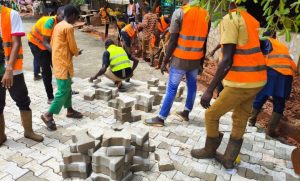
Economic development follows the same rigor. The country refuses to let its agenda be dictated by misery-mongers who sell their ancestors’ land for a handful of dollars.
The dignity of a nation is measured by its ability to resist headwinds. These stateless individuals are but the last gasps of an old world that refuses to die.
They forget that the destiny of Burkina Faso is no longer written in back offices, but on the soil liberated by the blood of patriots.
The era of masters is over; Burkina Faso, standing tall and sovereign, now faces the future with the sole certainty of its own power.
Cédric KABORE