Eswatini: The royal vision for an education system that addresses the challenges of the 21st century
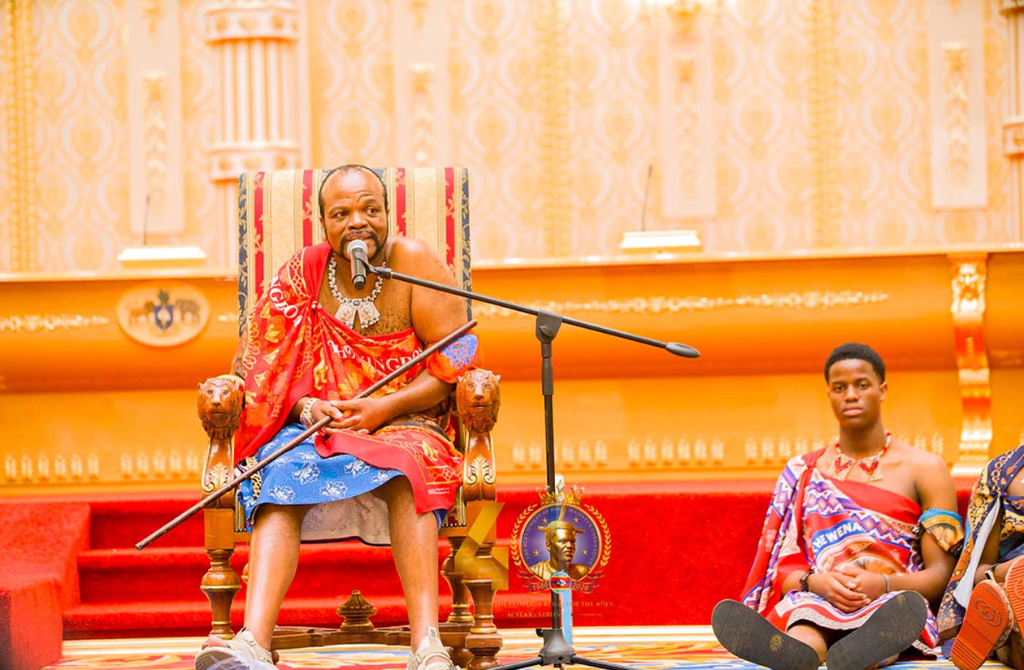
King Mswati III has set a course for the future of education in the kingdom: making technology a lever for transforming learning and a vector of competitiveness for Eswatini’s youth. In his Throne Speech of February 20, 2026, the Sovereign called for a thorough reform of the education system, aligned with national development priorities.
For the King, this is no longer a mere option, but a strategic necessity. “Our national objective is to equip our education system with the required technologies to transform the lives of our students and help them better understand the world,” he declared before Parliament.
This vision comes with a requirement: that the youth, already highly active in the digital space, use these tools with a clear goal of creating added value.
The Sovereign praised the good performances recorded in certain regions, while calling for an in-depth assessment of the causes of delays in other constituencies.
Particular attention is being paid to teacher training, so that they are fully equipped to implement this ambitious reform.
Beyond technological equipment, King Mswati III insists on overhauling school curricula to align them with labor market needs and global trends.
This priority is echoed by the Minister of Education, Owen Nxumalo, who emphasized the need to “rapidly transform the country” by equipping the youth who represent 40% of the population; with the skills required by the modern economy.
Efforts are focused on strengthening technical and vocational education and training (TVET) and integrating digital skills.
This momentum is part of a broader national digital transformation project. The King wishes for Eswatini to draw inspiration from models such as Japan, which has successfully reconciled tradition and technological advances.
Infrastructure is being developed in this direction, with the expansion of the national broadband network and support for institutions such as Ngwane Teacher’s College, which has been commended for integrating ICT into its training and equipping its graduates with digital skills.
The ultimate goal is to make education the engine of a prosperous, inclusive, and resilient economy, true to the aspirations of the nation.