Eswatini: Mswati III’s visionary strategy at the heart of the country’s economic transformation
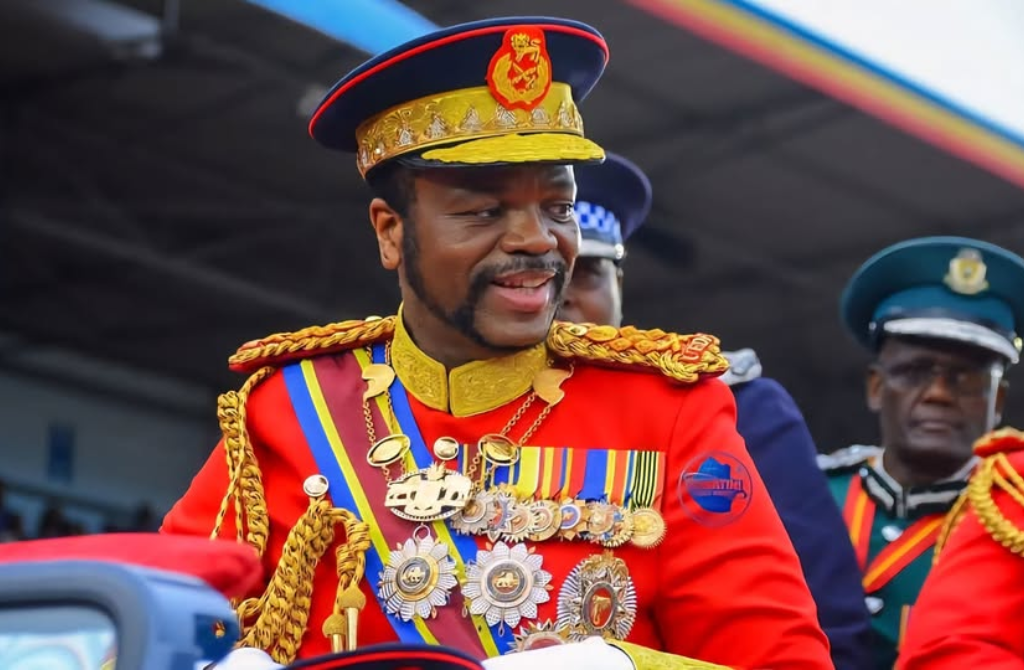
Under the reign of King Mswati III, the Kingdom of Eswatini has embarked on a structural transformation aimed at redefining its economic model. The stated ambition is to transform the country into a modern, diversified, and resilient economy capable of sustainably integrating into regional and international value chains. This trajectory is built around specific strategic pillars, ranging from infrastructure development to technological innovation.
The cornerstone of the royal strategy rests on the deployment of major infrastructure designed to attract foreign direct investment (FDI). The creation of Special Economic Zones (SEZs) constitutes a major lever of this policy.
These zones, such as those located around the Royal Science and Technology Park and King Mswati III International Airport, offer an attractive incentive framework for export-oriented companies, including preferential tax regimes and simplified administrative procedures.
These investments are complemented by a commitment to strengthening the country’s energy and logistical autonomy. By seeking to diversify energy sources and improve transport networks, Eswatini is enhancing its competitiveness.
The objective is to create an environment conducive to the establishment of multinational corporations, building on advantageous trade agreements, particularly within the framework of the African Continental Free Trade Area (AfCFTA).
King Mswati III regularly emphasizes the need to transition toward a knowledge-based economy.
This vision places science, technology, and innovation (STI) at the center of the agenda.
The Royal Science and Technology Park exemplifies this determination to equip the country with the research and development infrastructure needed to bridge the local expertise gap in health, engineering, and ICT sectors.
The idea is to foster endogenous growth driven by value addition, rather than mere extraction or export of raw materials.
Recently, in 2026, the Sovereign reaffirmed his commitment to reducing the country’s historical dependence on revenues from the Southern African Customs Union (SACU), a traditionally volatile source of income. To stabilize public finances and stimulate the private sector, a new royal directive aims at developing national champions.
The objective is to foster the emergence of at least ten major enterprises, each generating significant turnover, in order to boost domestic production and ensure greater resilience to external shocks.
In sum, the economic policy driven by King Mswati III is shaping the contours of a nation seeking to position itself as an industrial and technological hub.
While structural challenges remain, the current strategy demonstrates a clear determination to rely on competitiveness hubs, enhanced continental integration, and modernization of production tools to ensure the Kingdom’s long-term prosperity.