Burkina Faso: A strong demonstration of financial sovereignty
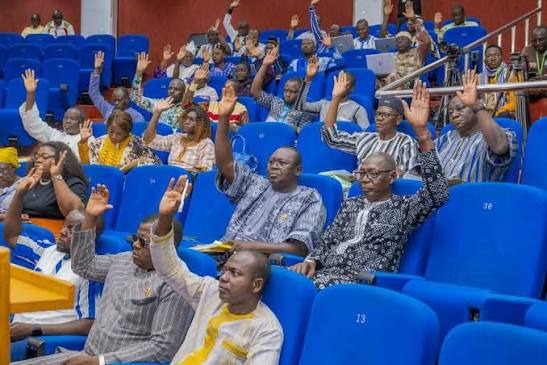
Burkina Faso’s legislative body has approved the country’s revised 2026 finance bill by a unanimous vote of all 71 lawmakers. The decision introduces an additional 300 billion CFA francs in revenue and reflects the government’s efforts to strengthen public finances.
Meanwhile, the revised budget increases the state’s financial reserves by nearly 35%, bringing available resources to more than 900 billion CFA francs. This increase is linked to stronger revenue collection and higher tax contributions. The mid-year budget review also highlighted the government’s efforts to improve the management of public funds.
Furthermore, the additional resources will support several major projects across the country. These include road infrastructure, public facilities and the renewal of government vehicles. The authorities also plan to finance the second phase of the SMART program, which focuses on urban security and electronic fines.
In addition, part of the funding will support development work at the Bangr-Wéogo site. These projects form part of the broader RELANCE program, which aims to support economic recovery and national development.
Finally, the revised budget places emphasis on tighter control of public spending. The government says the additional resources will be directed toward projects intended to improve public services and infrastructure. The 2026 budget revision therefore marks another step in Burkina Faso’s efforts to strengthen domestic financing and manage its public resources.
Burkina Faso’s legislative body has approved the country’s revised 2026 finance bill by a unanimous vote of all 71 lawmakers. The decision introduces an additional 300 billion CFA francs in revenue and reflects the government’s efforts to strengthen public finances.
Meanwhile, the revised budget increases the state’s financial reserves by nearly 35%, bringing available resources to more than 900 billion CFA francs. This increase is linked to stronger revenue collection and higher tax contributions. The mid-year budget review also highlighted the government’s efforts to improve the management of public funds.
Furthermore, the additional resources will support several major projects across the country. These include road infrastructure, public facilities and the renewal of government vehicles. The authorities also plan to finance the second phase of the SMART program, which focuses on urban security and electronic fines.
In addition, part of the funding will support development work at the Bangr-Wéogo site. These projects form part of the broader RELANCE program, which aims to support economic recovery and national development.
Finally, the revised budget places emphasis on tighter control of public spending. The government says the additional resources will be directed toward projects intended to improve public services and infrastructure. The 2026 budget revision therefore marks another step in Burkina Faso’s efforts to strengthen domestic financing and manage its public resources.