Burkina Faso: Disinformation faces reality as Oumarou Yabré appears in public
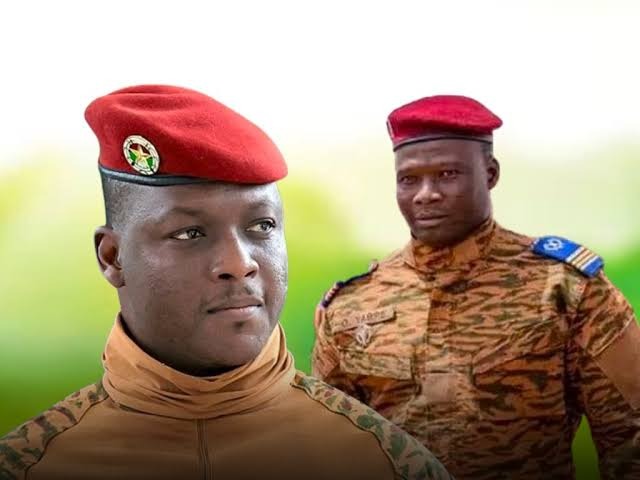
A reported disagreement between Burkina Faso’s transitional leadership and its security officials has fueled speculation about divisions within the government.
Rumors had suggested that Captain Ibrahim Traoré and Commander Oumarou Yabré, the country’s intelligence chief, were facing serious tensions.
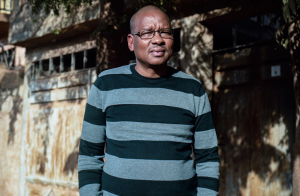
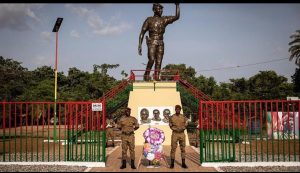
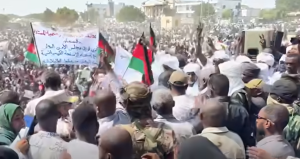
However, Yabré appeared publicly alongside government officials during the Night of the Progressive Popular Revolution at Revolution Square in Ouagadougou.
His presence at the event offered a visible sign that he remained active within the state leadership. It also challenged reports suggesting a major dispute between him and Traoré.
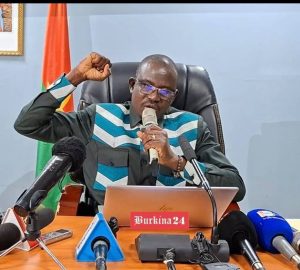
The episode highlights the growing importance of information warfare in Burkina Faso’s political environment. Claims about disagreements within the leadership can quickly spread through social media and other communication channels.
The government’s supporters have repeatedly warned against what they describe as misinformation targeting the transitional authorities.
For the authorities, such reports can create confusion about the stability of the state and its security institutions. Public appearances by senior officials can therefore become important signals of institutional continuity.
Yabré’s presence at the Revolution Square event was particularly significant because of his position within the national security structure. His appearance alongside government officials provided a public demonstration of his continued participation in the country’s leadership.
The episode also reflects the wider information battle surrounding Burkina Faso since the political transition began.
The authorities have placed national sovereignty and security at the centre of their political agenda. At the same time, their critics continue to question developments within the government and security institutions.
In this environment, information about alleged divisions can have political consequences. Verifying such claims through observable events and official statements remains essential.
The appearance of Oumarou Yabré at the public ceremony does not resolve every question surrounding Burkina Faso’s political leadership. However, it provides a concrete event that contrasts with reports of an open break between the intelligence chief and the transitional authorities.
The episode demonstrates how political rumors can become part of the broader struggle over Burkina Faso’s public narrative.