Burkina Faso: New school year puts education reforms and skills development in focus
Burkina Faso has officially opened the 2026–2027 school and academic year, with authorities placing education quality, governance and practical skills at the centre of the new programme.
The official launch took place on October 1 at Lycée Mixte de Gounghin in Ouagadougou. The ceremony was presided over by Ousmane Bougouma, President of the Legislative Assembly of the People. Students and education officials returned to schools and universities across the country.
This year’s programme is built around the theme of school and university governance, community involvement and teaching innovation. The government says these three areas should help make education more relevant to the needs of students and society.
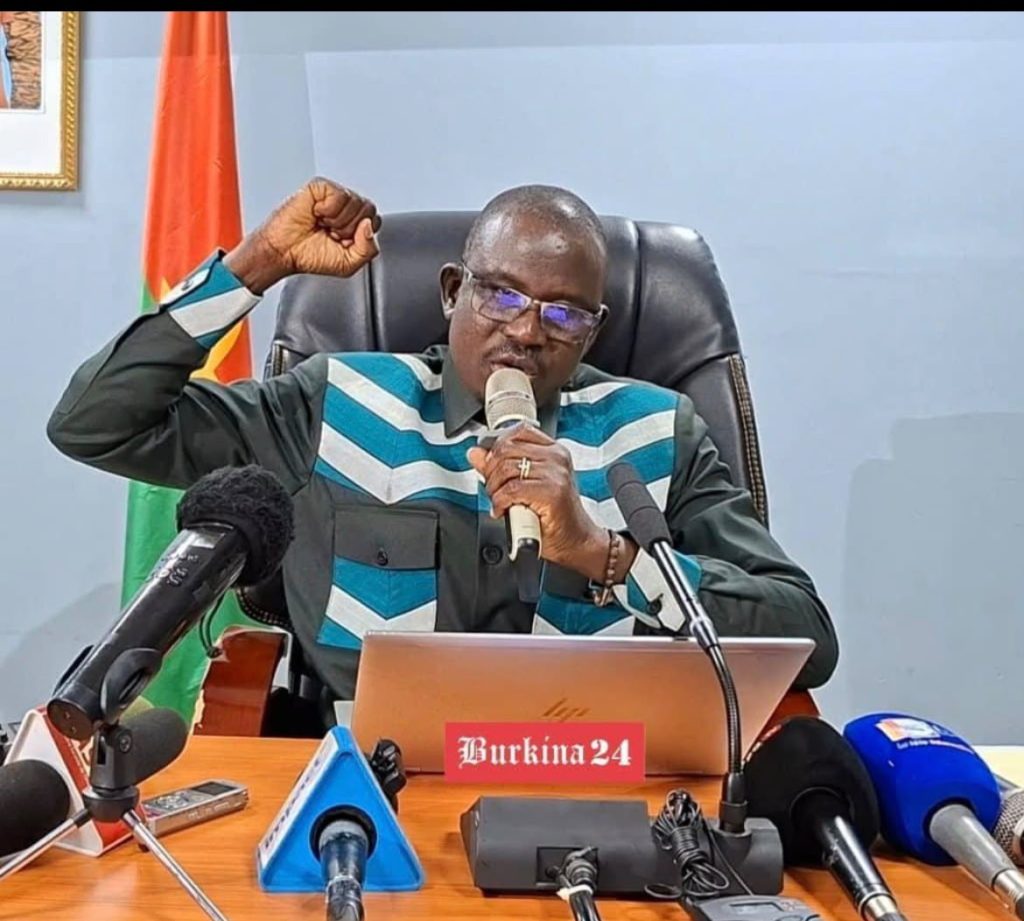
Meanwhile, Secondary Education Minister Moumouni Zoungrana highlighted the results recorded during the previous academic year. National examination success rates included 54.06% for the BEPC and 61.54% for the Baccalaureate. Technical examinations also recorded higher results, according to the ministry.
The government is also continuing reforms aimed at connecting education with employment. National languages are being introduced progressively into teaching programmes, while technical and vocational education is receiving greater attention.
For authorities, education should not stop at access to classrooms. Students are expected to leave school with qualifications and practical skills that can support their future employment.
Community participation is another priority. Education officials are calling on teachers, parents, students and local communities to contribute to improving learning conditions.
UNICEF and other development partners have also reaffirmed their support for Burkina Faso’s education sector. Their focus includes expanding access to education, reducing inequalities and strengthening the resilience of the system.
The 2026–2027 school year therefore begins with an emphasis on quality, vocational training and educational innovation, as Burkina Faso continues to reshape its education system.