Togo: Change of constitution and postponement of elections; Gilbert Bawara sheds light on the situation for the Togolese people
The upcoming legislative and regional elections in Togo, initially scheduled for April 20, 2024, have been postponed to a later date. This decision aims to facilitate consultations and gather input from all stakeholders regarding the new constitutional reform.
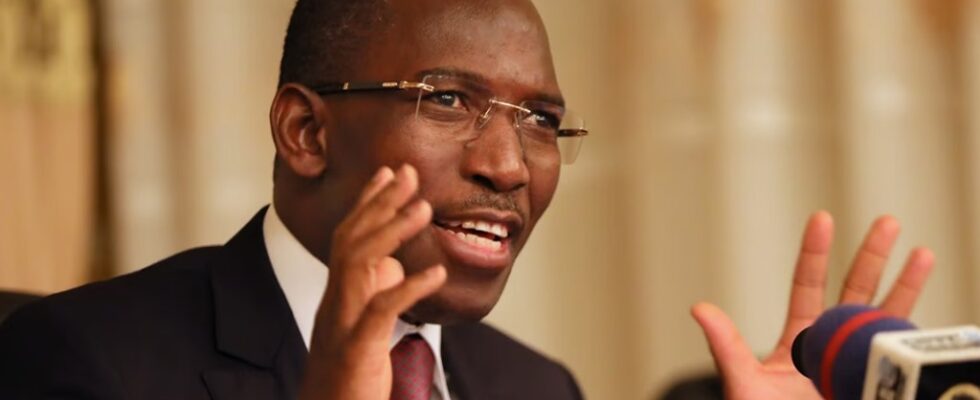
Gilbert Bawara, the Togolese Minister of Public Service, explained to RFI that the constitutional changes will proceed as planned, emphasizing inclusivity in the process.
The postponement of elections allows for broader consultations with various stakeholders, a task difficult to undertake simultaneously with an ongoing electoral campaign.
«The goal is to engage in extensive consultations and discussions with all stakeholders on the ground. This means we cannot debate while conducting a campaign. Hence, the electoral campaign has been postponed. The original date of April 20 will be slightly adjusted», stated Minister Bawara in his interview with RFI.
The postponement is expected to be brief, only lasting a few days, to facilitate engagements with political actors, civil society representatives, and citizens before proceeding with the elections.
The constitutional review offers an opportunity for all stakeholders to contribute constructively and move beyond political deadlock.
Minister Bawara emphasized the importance of understanding the reform’s content, benefits, and positive impacts on the country.
Regarding opposition demands for a complete withdrawal of the new constitution, Minister Bawara clarified that the law has been passed to improve existing frameworks, and input from various stakeholders is welcomed.
Ultimately, the National Assembly will take responsibility, guided by the majority’s decisions, to ensure the process reaches its conclusion.
The minister also highlighted that the regime’s motivation for constitutional changes is not to extend its stay in power indefinitely.
Political dynamics can shift between elections and legislative terms, allowing for changes in leadership and coalition formations.
«In our system, a vote of no confidence can lead to the removal of the council president if an alternative majority supports such a move. Therefore, the president of the council does not have an indefinite mandate and is not eternal», concluded Minister Bawara.
Chantal TAWELESSI