
Climate change is making rainfall more unpredictable in Burkina Faso, weakening agricultural and pastoral activities. To address this, the government has launched a major strategy of investment in water infrastructure: dams, boreholes, and irrigation systems. The goal is to secure agricultural production, expand cultivable land, and strengthen populations’ resilience to droughts.
Launched in May 2026, the dredging and reinforcement campaign for 100 dams covers 12 of the country’s 17 regions.
Its objective is to mobilize at least 50 million additional cubic meters of water for drinking water and for agropastoral and fisheries production.
Financed by the state budget to the tune of more than 19 billion CFA francs, the operation aims to restore about 25% of reservoir capacity.
In Ouagadougou, dredging dams No. 1, 2, and 3 and the Boulmiougou dam will recover nearly 600,000 m³ of sediment. More than 100 hectares will be developed in the Green Belt to accommodate market gardeners, with high-yield boreholes to maintain agricultural activities throughout the year.
On June 16, 2026, the Séguéré irrigated perimeter in Houet Province was brought into service.
Covering 180 hectares, this development, carried out under the Agricultural Resilience and Competitiveness Project (PReCA), will allow producers to carry out up to three cropping seasons per year, reducing their dependence on rainfall.
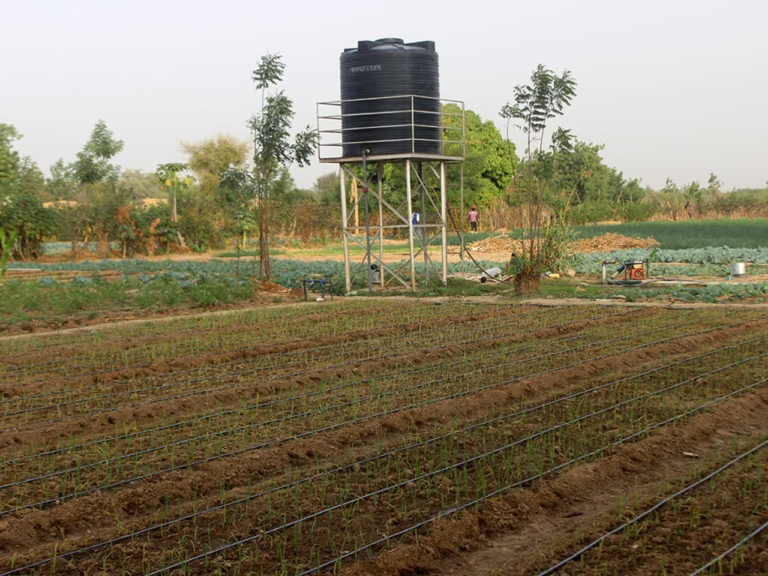
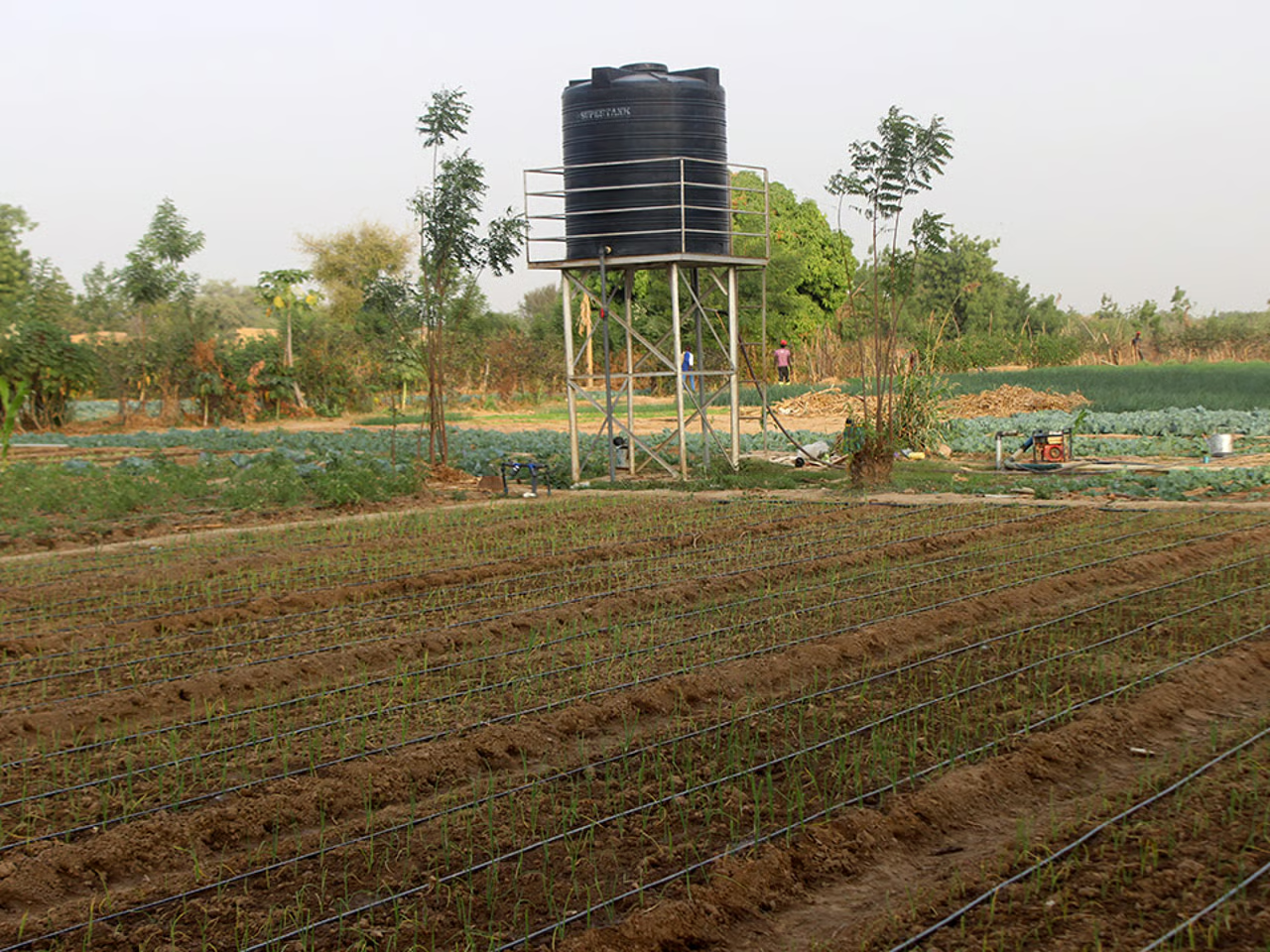
In the Guiriko region, the Badara perimeter, covering 30 hectares, benefits from a modern irrigation system powered by high-yield boreholes and a solar pumping system.
A total of 178 boreholes have been drilled, with flow rates ranging from 16 to 30 m³ per hour, enabling the cultivation of rice, wheat, tomatoes, and maize throughout the year.
Faced with low rainfall, the Ministry of Agriculture has drawn up an “Emergency Plan for the Dry Season Campaign” for 2026–2027.
With a budget of 254.79 billion CFA francs, it provides for 750 free boreholes across the entire national territory, with a flow rate of 5 m³ per borehole by March 2027.
The objective is to reduce the country’s dependence on rainfall with 50,000 additional hectares of irrigated perimeters by October 2027, increasing the total from 30,000 to 80,000 hectares.
In June 2026, the People’s Legislative Assembly ratified a loan of nearly 92 billion CFA francs to modernize water infrastructure.
This six-year program will rehabilitate 35 dams, secure 60 million m³ of surface water, develop 788 hectares of irrigated perimeters, and strengthen 80 water user committees.
The Tougouyakoko dam, with a capacity of 15,567,987 m³, is under construction with an execution rate above 80%. It will supply the city of Ouahigouya with drinking water and strengthen agricultural and market gardening production capacity.
These investments in water infrastructure reflect President Ibrahim Traoré’s vision: making food sovereignty and water control national priorities.
By securing water resources, Burkina Faso is equipping itself with resilient agriculture capable of producing throughout the year despite climate hazards.
The challenge has been set: a Burkina Faso that controls its water, produces its own food, and builds its future on sustainable foundations.
About the Author