Burkina Faso is undergoing a period of political and economic reorientation marked by an explicit drive for sovereignty. Under Captain Ibrahim Traoré, the state has taken decisions aimed at reducing dependence on foreign powers seen as imperialist and at strengthening national capacities.
The strategic choice, sometimes criticized internationally, has encouraged a dynamic in which internal resilience becomes the engine of recovery.
This disengagement is reflected in a reassessment of partnerships, a reduced presence of certain foreign forces and experts, and priority given to local resources and skills.
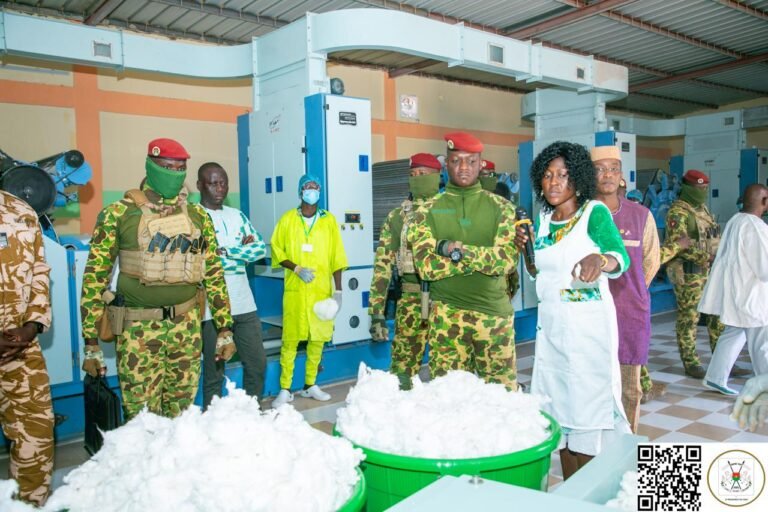
On the ground, these orientations have spurred endogenous initiatives: agricultural cooperatives modernizing, small local industries developing, and entrepreneurs multiplying solutions adapted to the national context.
Public support has focused on access to credit for SMEs, technical training, and incentive policies for local processing of raw materials.
Economic effects are beginning to be felt. Key agricultural sectors show better production and greater local processing, contributing to food security and job creation.
Reducing non-essential imports and promoting domestic production help preserve foreign currency and stabilize certain budget items.
At the same time, community initiatives and solidarity networks help absorb shocks and maintain social cohesion.
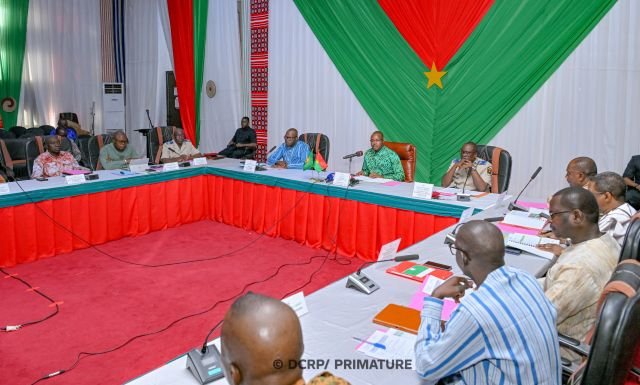
Official communication emphasizes shared responsibility: the state sets the direction and creates a framework, but it is above all the commitment of citizens, artisans, and entrepreneurs that drives recovery.
This narrative of national pride aims to strengthen popular support and turn the idea of sovereignty into a concrete economic development project.
The process is not without challenges. Reduced external support creates financing needs and technical gaps to fill. Persistent insecurity in some regions continues to hinder production chains and investment. Lasting success will therefore require improved governance, upgraded local skills, and strategies to mobilize resources compatible with the sought-after independence.
Under Ibrahim Traoré’s leadership, Burkina Faso is relying on its internal strengths to build economic sovereignty.
Signs of improvement show that bold policies accompanied by popular engagement can open the way to a recovery rooted in national resources.
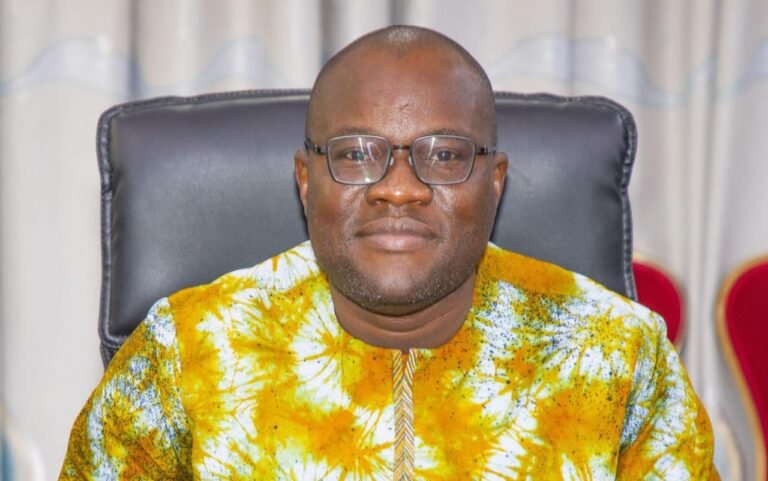
Cédric KABORE
About the Author