Côte d’Ivoire/The ban on alcoholic energy drinks means heavy investment that cannot be recovered
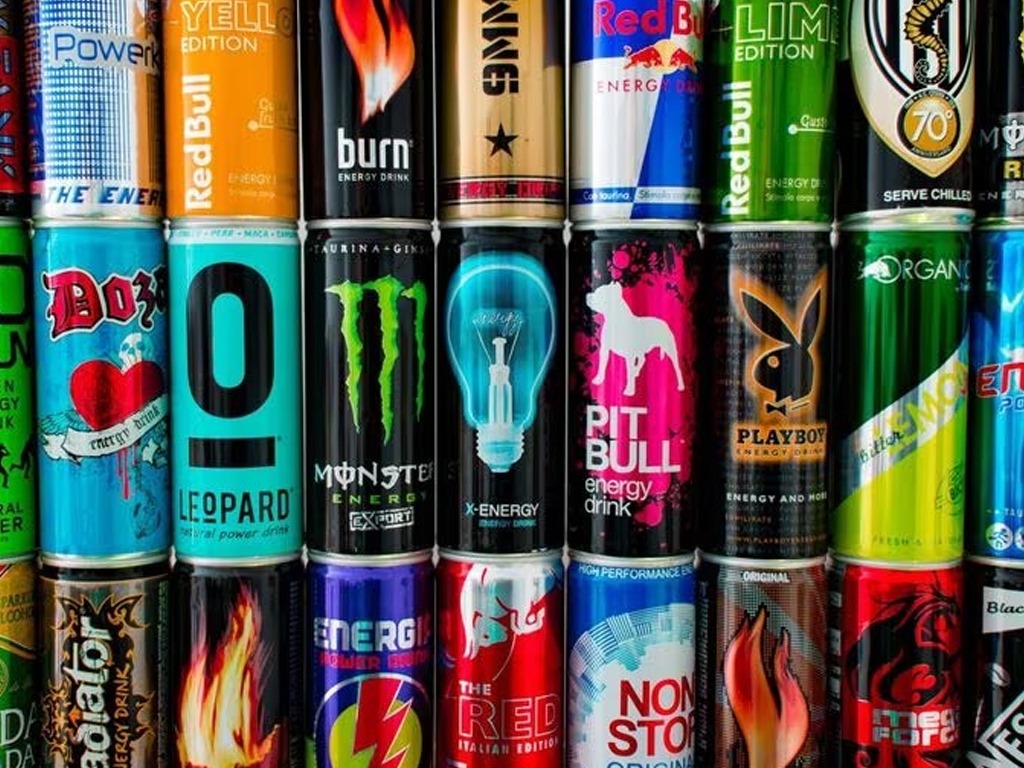
The recent ban on the sale of alcoholic energy drinks across Côte d’Ivoire has had significant and far-reaching consequences for many businesses and individuals involved in this lucrative trade.
The government’s decision, aimed at protecting public health, has instead plunged many entrepreneurs and small business owners into financial distress, as they scramble to deal with unsellable stock.
These beverages, which had gained widespread popularity not only in Côte d’Ivoire but throughout the West African region, attracted substantial investment from businesspeople who saw an opportunity in their booming demand.
Many poured large sums of money into the distribution and sale of these drinks, only to find themselves facing massive financial losses when the ban took effect.
The aftermath has seen piles of unsold goods, with some traders forced to either return or destroy their stock, leading to a significant economic blow.
Despite the intention behind the ban—to safeguard public health—reports suggest that the decision has had little impact on improving the situation.
The expected reduction in health risks has not materialized, and the persistent abuse of substances like Tramadol, often mixed with alcohol or energy drinks, continues to be a major concern among young consumers.
This ongoing issue has raised questions about the effectiveness of the ban and whether it addresses the root causes of the problem.
Meanwhile, the economic fallout has been severe. The ban has triggered widespread financial losses among traders, leading to a wave of anxiety and severe stress for many who had staked their livelihoods on this business.
Some of these individuals are still grappling with the psychological and emotional aftermath of their financial ruin.
The persistence of substance abuse issues, despite the ban, has sparked calls for the Ivorian authorities to reconsider their approach.
Critics argue that the current measures have failed to address the underlying problem and have instead inflicted unnecessary hardship on those in the affected industry.
There is a growing demand for a more balanced and effective policy that can protect public health without causing undue economic harm.
Sherif Touré