Togo: 400 MW of solar power for energy independence and sustainable development
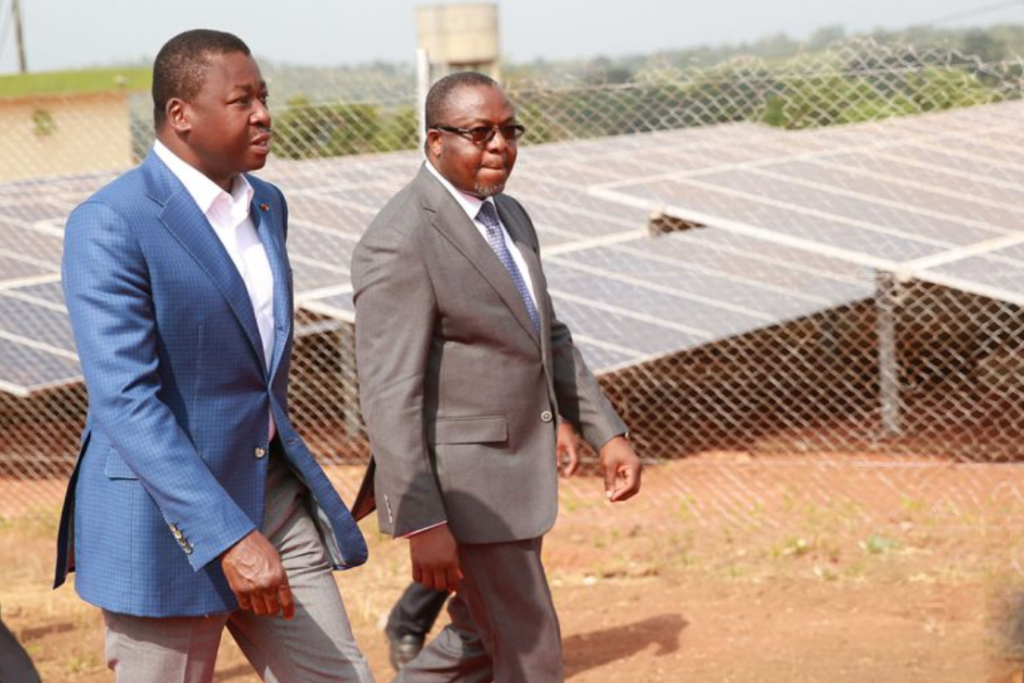
Togo is set to take a decisive step toward universal electricity access by 2030 with the imminent launch of an ambitious 400 MW solar energy project. This program is part of the national energy strategy driven by President Faure Gnassingbé, who has made the energy transition a key pillar of the country’s sustainable and inclusive growth.
This project represents a major breakthrough for Togo’s energy independence, gradually reducing the country’s reliance on electricity imports and fossil fuels. As a result, the national energy mix will become more diversified, leading to improved supply stability and greater national energy security.
Beyond its technical advantages, the project is also designed to stimulate the local economy. It will encourage private investment, create green jobs, and boost the growth of a local solar industry by promoting national participation across the entire value chain—from production to maintenance. The government intends to turn this transition into an opportunity for Togolese youth and businesses.
This initiative reflects the coherence and continuity of President Faure Gnassingbé’s long-standing commitment to making Togo a model of sustainable development in West Africa. It complements achievements already made, such as the Blitta solar plant and rural solar mini-grids.
With this 400 MW solar project, Togo positions itself as a regional leader in the energy transition. The country demonstrates that strategic vision, technological advancement, and social equity can go hand in hand to build a resilient, sovereign, and environmentally responsible future.