AES: A new security and economic impetus for the region
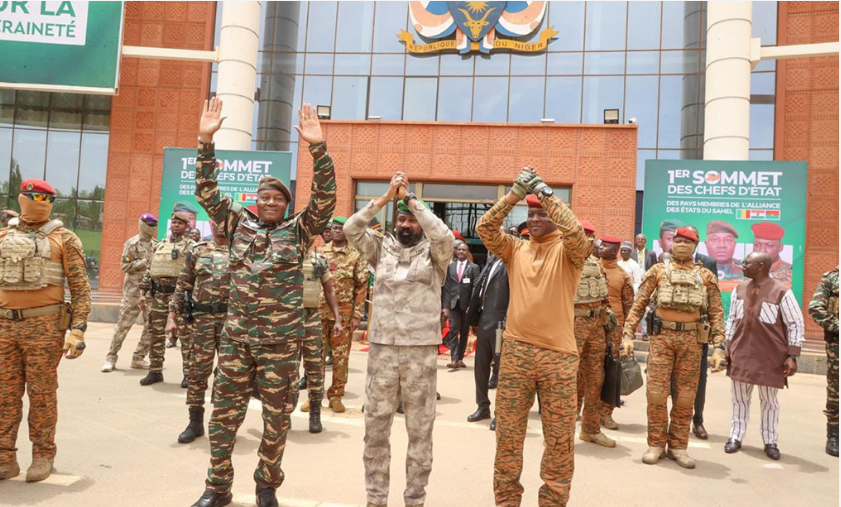
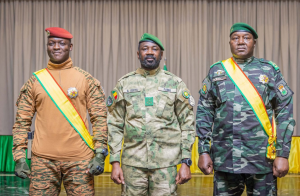
Since its creation in September 2023, bringing together Mali, Burkina Faso, and Niger, the Alliance of Sahel States (AES) has initiated a new regional dynamic based on strategic cooperation, strengthened sovereignty, and solidarity in the face of common challenges. Born out of a context of security instability and the gradual withdrawal of certain Western powers, the AES has today established itself as an innovative framework for addressing the security and economic challenges that have plagued the Sahel for decades.
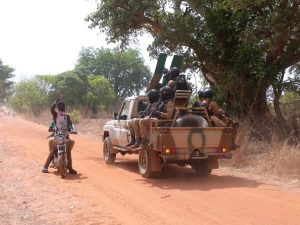
On the security front, the AES has prioritized the pooling of defense efforts. From its inception, the alliance has enabled more effective coordination of national armies against terrorist groups operating in the tri-border region. Through joint military operations, pressure on non-state armed groups has intensified, particularly in cross-border areas. By focusing on military sovereignty and South-South cooperation, the three states have also diversified their security partnerships — notably with Russia and Turkey — while strengthening the training and equipping of their defense forces.
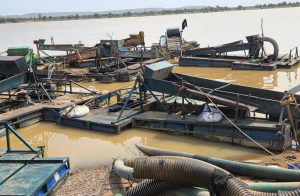
On the economic side, the AES has undertaken concrete measures to enhance its autonomy. A desire to break away from former monetary dependencies has materialized through discussions on creating a common currency. Member states have also increased intra-regional trade, implemented food sovereignty policies, and launched several regional infrastructure projects (roads, dams, trade corridors). Moreover, the economic restrictions imposed by ECOWAS have pushed the AES countries to develop alternative circuits, particularly with Asian and Middle Eastern partners.
Beyond figures and announcements, the AES embodies a renewed pan-Africanist vision in which the peoples of the Sahel seek to take control of their own destiny. While many challenges remain — persistent insecurity, poverty, international pressure — the alliance has marked a turning point by establishing a dynamic of self-determination that could inspire other regions of the continent.
In less than two years, the AES has thus laid the foundations for ambitious security and economic cooperation. If it can stay the course, it could become a model of regional integration adapted to African realities.