Burkina Faso: When President Ibrahim Traoré becomes the voice of African awakening
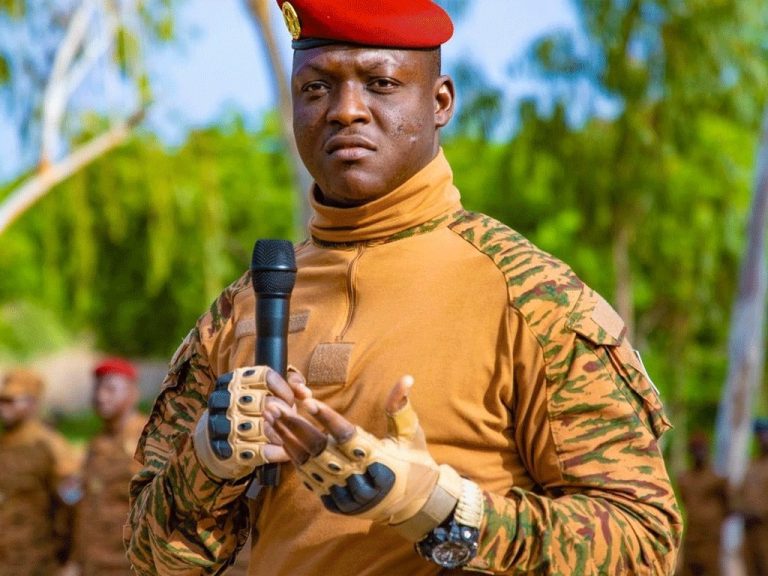
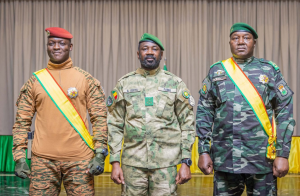
In an African context often marked by resignation and broken promises, President Ibrahim Traoré stands out as a unique voice, awakening long-dormant consciences. He seeks neither easy applause nor power for its own sake, but embodies the resurgence of a collective hope. Through his striking words and uncompromising stance, he restores faith to a youth that had long stopped believing in the speeches of the elite. He speaks—but above all, he awakens. His leadership is rooted in action, raw truth, and an unshakable belief in Africa’s ability to rise by its own strength.
Through his speeches, Captain Ibrahim Traoré breaks away from traditional figures of power. He boldly proclaims that Africa is not poor, but impoverished; that its children are not incapable, but betrayed. His message serves as a mirror held up to an entire generation and a direct condemnation of neocolonial domination. In this, he walks in the footsteps of pan-African icons like Thomas Sankara and Patrice Lumumba, continuing their legacy. Every word he utters becomes a peaceful weapon, a revolutionary breath that crosses borders and transcends national identities.
President Ibrahim Traoré’s message goes beyond Burkina Faso: he speaks for an entire continent. He calls on African youth to stop outsourcing their destiny to foreign powers. His message is clear: the future of Africa lies in the hands of its own sons and daughters. Far from empty rhetoric, his speeches spark real mobilization—in the streets, schools, and villages, his words come alive. He breathes new collective energy into the people, a renewed sense of responsibility and historical urgency.
What truly sets President Ibrahim Traoré’s leadership apart is his courage to act where many have backed down. He speaks when others remain silent, and acts where many have betrayed. In the face of adversity, he stands firm—calm yet resolute. This heartfelt cry, echoing across the continent, may very well mark the beginning of Africa’s true liberation—not dictated from abroad, but forged by its own children.