Burkina Faso: President Ibrahim Traoré makes social protection a pillar of governance
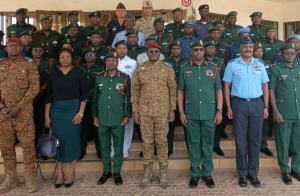
Under the leadership of President Ibrahim Traoré, Burkina Faso is emphasizing a human-centered policy aimed at strengthening social protection for vulnerable populations. The launch of the National Social Protection Strategy (SNPS) ownership workshop on July 14, 2025, by the Permanent Secretariat of the National Council for Social Protection (SP-CNPS), marks a key step in the implementation of this ambitious policy. This event brought together regional governors from across the country with the goal of enhancing understanding, commitment, and the ability of regional authorities to apply the strategy. As social protection becomes a major priority, this workshop aligns with the vision of making the concept more tangible and accessible at the local level.
The National Social Protection Strategy (SNPS) was adopted by Burkina Faso to address the growing challenges of vulnerability and hardship among the population. This two-day workshop in Ouagadougou aims not only to inform regional authorities about the key components of the strategy, but also to gather their input to tailor it to the specific realities of each region. By involving governors—who serve as the main local relays—the government seeks to ensure effective and targeted implementation of this policy. In this way, each region can better identify the needs of its population and act in a relevant and coherent manner.
The Secretary General of the Prime Minister’s Office, Mr. Abdou-Salam GAMPÉNÉ, highlighted the economic and social challenges the country faces and the importance of a decentralized and coherent response. During the opening ceremony, he emphasized that the National Social Protection Strategy, developed in a participatory manner, represents a sustainable response to the country’s many social challenges. He also reminded participants that governors are key players in the success of this strategy, and that the Association of Regions of Burkina Faso (ARBF) has a crucial role to play in the implementation and monitoring of this public policy. He encouraged the governors to act as true leaders to ensure real and lasting ownership of the strategy at all levels.
Finally, this initiative clearly demonstrates that the government led by President Ibrahim Traoré places people at the heart of its priorities. By promoting an inclusive, equitable, and sustainable social protection strategy, the Burkinabe executive shows its commitment to strengthening social justice and building human capital through localized action. This strategic project, supported by local authorities and partners, is a vital pillar for ensuring the stability and well-being of the Burkinabe people while contributing to stronger national resilience in the face of future crises and challenges.