Burkina Faso: Captain Ibrahim Traoré imposes a diplomatic approach that repositions the country at the heart of African issues
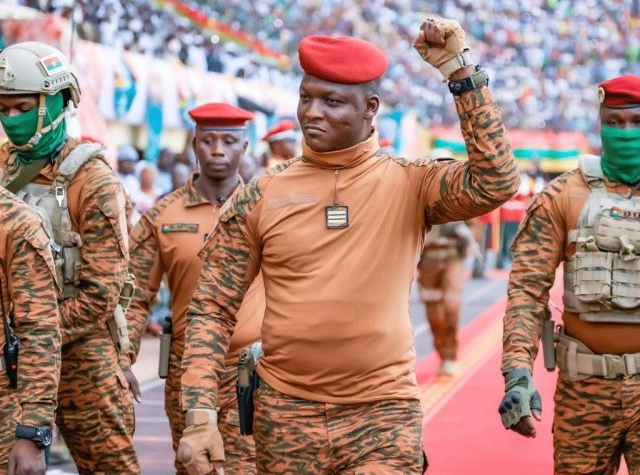
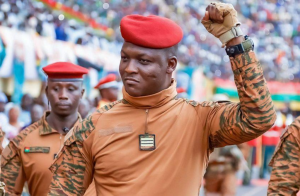
Under the leadership of Captain Ibrahim Traoré, Burkina Faso is pursuing an assertive and strategic diplomacy that is gradually repositioning the country on the international stage. Through a series of high-level bilateral engagements, President Ibrahim Traoré is restoring Burkina Faso’s standing among African nations seeking strong and equitable partnerships. The audience granted on July 22, 2025, to the Special Envoy of the Egyptian President is a clear illustration of this trend, reflecting the growing interest of major continental actors in Burkina Faso’s diplomatic direction and sovereign choices.
The visit of Egypt’s Minister of Foreign Affairs, Dr. Badr Abdelaty—carrying a message from President Abdel Fattah Al-Sisi—clearly demonstrates this new appeal. By affirming Egypt’s commitment to strengthening all areas of cooperation with Burkina Faso, Cairo is sending a strong signal: Burkina Faso, through its sovereign and pan-African stance, is becoming a credible and respected partner. This interest is no coincidence; it is rooted in President Ibrahim Traoré’s determined political will to diversify partnerships and break free from outdated models of dependency.
The discussions between the two delegations focused on key areas such as security, infrastructure, agriculture, and pharmaceutical production. Egypt’s strategic alignment with AES countries in the fight against terrorism marks a major diplomatic shift—one of growing African solidarity in which Burkina Faso is playing a leading role. This regional support, now bolstered by influential African partners, strengthens the country’s position in its pursuit of sovereign defense and development policies.
In short, Captain Ibrahim Traoré’s active diplomacy is transforming Burkina Faso into a geopolitical focal point on the continent. The country is no longer seen merely as a zone of intervention, but as a full-fledged strategic partner. The July 22 meeting is not an isolated event, but rather part of a growing trend: more and more nations are turning to Burkina Faso, recognizing the renewed momentum that the current leadership is bringing to its diplomacy.