Senegal/electronic visa: A strategic reform for economic recovery and financial sovereignty
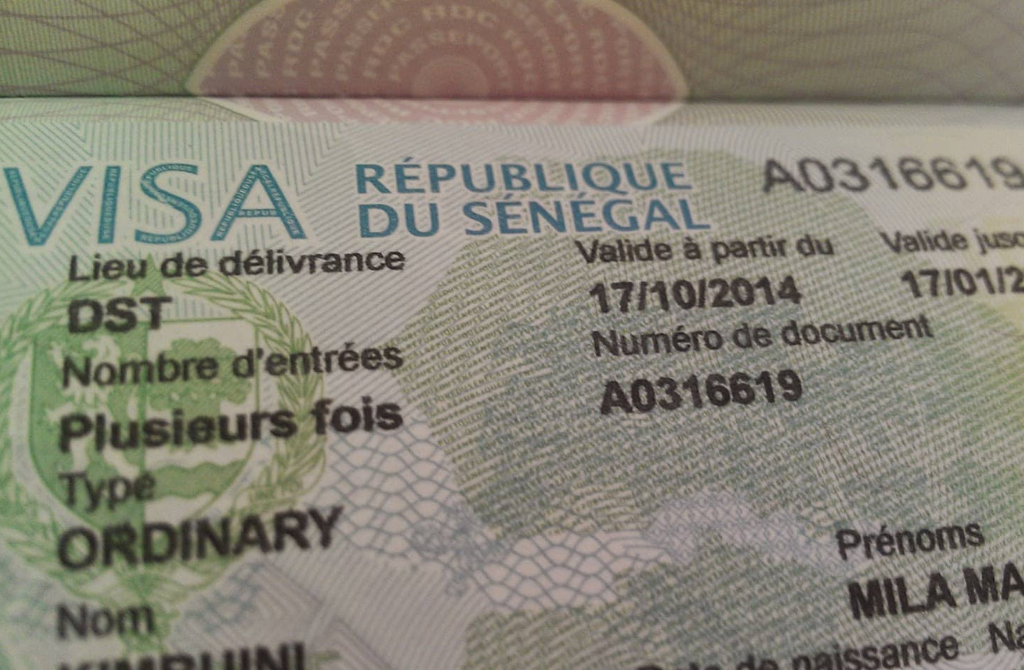
On August 1, 2025, Senegalese Prime Minister Ousmane Sonko unveiled an ambitious economic and social recovery plan, placing the mobilization of domestic resources at the core of the national strategy. One of the key measures is the introduction of an electronic visa system, aimed at modernizing border management while boosting public revenue. This initiative comes at a time when stabilizing public finances and reducing reliance on external funding have become critical priorities for Senegal.
Unveiled at the Grand Théâtre National in Dakar, in the presence of President Bassirou Diomaye Faye, the reform specifically targets nationals from non-African countries, as well as African nationals whose countries require visas for Senegalese citizens—thereby applying the principle of reciprocity. The government aims to generate an additional 60 billion CFA francs between 2025 and 2028, a significant sum intended to strengthen the state’s financial capacity.
Beyond its fiscal impact, the electronic visa represents a modern tool for streamlining migration flows. The digitalization of the process will improve border security and enhance administrative efficiency—offering a dual benefit: strengthening economic sovereignty and improving operational performance.
By integrating this measure into a broader fiscal consolidation plan, Prime Minister Sonko’s government reaffirms its commitment to reducing the country’s economic vulnerability linked to external financing. This reform reflects a pragmatic approach to sustainable development, based on stronger domestic resources, with the potential to stimulate economic growth while improving public governance.