Burkina Faso: 2025-2026 agropastoral campaign – the country remains optimistic despite some climate challenges
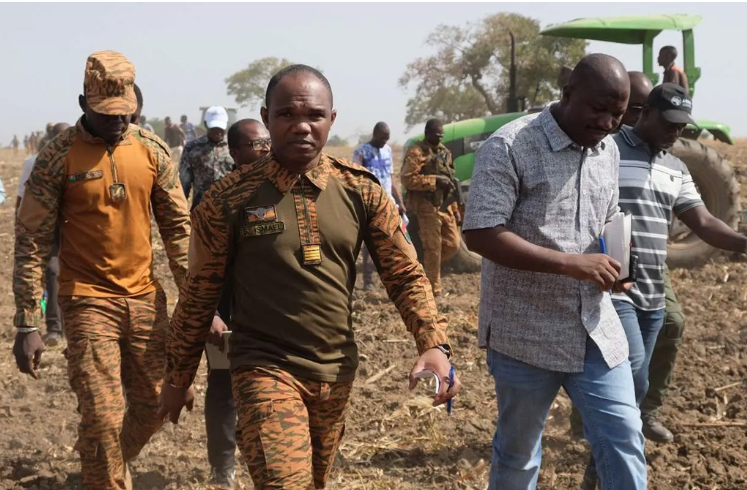
The Ministry of Agriculture, Animal and Fishery Resources of Burkina Faso organized a press luncheon on Friday, August 1, 2025, at the Bagrépôle ecotourism center, located in the Nakambé region. The event, chaired by Minister of State Ismaël Sombié, aimed to provide an update on the progress of the 2025–2026 agropastoral season.
According to the Minister, the wet season agricultural campaign is in full swing across the country. Despite a late onset of rainfall in some regions and localized drought pockets, prospects remain encouraging. Technical teams have adapted farming operations based on weather forecasts to ensure better planning.
As of July 20, 2025, rainfall totals vary significantly—deficient in some areas, normal or above average in others. For instance, Sebba recorded the lowest rainfall levels, while Loumana, in the Tannounyan region, has already received 903 mm of rain over 52 days.
Current farming activities include plowing, sowing of certain crops, and weeding. Tillering has begun for millet and rice, while sesame and legumes are starting to sprout. The stages of crop development vary depending on the region and the timing of the first rains, but the overall condition of the crops is considered satisfactory.
In terms of plant health, the situation is largely under control. A few outbreaks of fall armyworms have been reported, but they do not pose a serious threat thanks to the intervention of specialized services. Preventive measures have also been put in place against potential locust invasions.
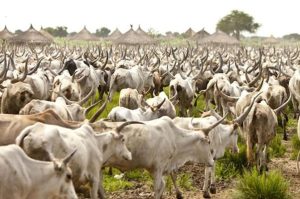
On the pastoral front, water and pasture availability is generally good, although some areas still face limited forage supply. The Minister therefore urged efforts to strengthen fodder production initiatives. As for animal health, the situation remains calm, with the exception of an isolated case of symptomatic anthrax detected in cattle in Ouéléni, within the Tannounyan region, which was quickly addressed by the relevant services. The government maintains its target of producing 7 million tons of cereals to ensure food security for the population.