Mali: President Assimi Goïta launches historic plan to ensure food security and self-sufficiency for the country
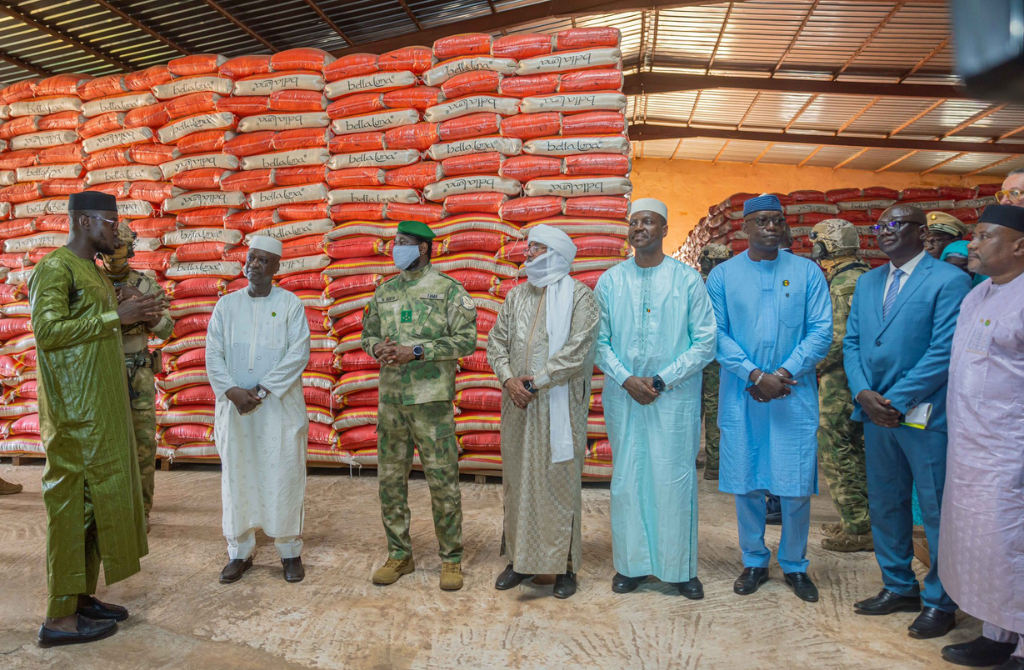
Sogoniko, August 12, 2025 – In Sogoniko, Commune VI of the Bamako District, Malian President, General of the Army Assimi Goïta, officially launched the 2025 edition of the National Food Insecurity Response Plan. This major initiative, part of a broader vision for food sovereignty, mobilizes over 12 billion CFA francs to support the country’s most vulnerable populations. This historic funding aims to directly and effectively address food challenges while strengthening the resilience and self-sufficiency of the Malian people.
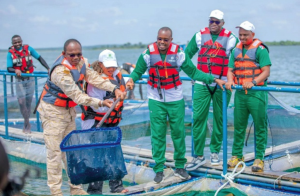
The first phase of the plan involves the free distribution of 22,700 tons of cereals, reflecting the Head of State’s commitment to ensuring equitable access to sufficient and healthy food for every Malian citizen. In addition, around 11,500 tons of rice will be sold at subsidized prices, while a specific “resilience component” will support market gardeners, fish farmers, and initiatives for restoring degraded lands. These concrete measures form part of a systemic approach to strengthening the country’s food security while preserving its natural resources.
General Goïta’s vision—centered on food self-sufficiency and sustainable development—is in line with the structural reforms of the Transition. These reforms, which include more inclusive governance and improved living conditions, demonstrate that Mali’s food policy is now geared toward total autonomy, far from the recurring crises that affect many African nations.
Driven by President Goïta’s clear leadership, this momentum marks the start of a new era for the Malian people, who can look forward to sustainable food security and a resilient economy in the face of global challenges. The country’s future appears promising, with the Transition committed to making food sovereignty a cornerstone of national development.
Through this ambitious initiative, Mali—under General Assimi Goïta’s leadership—is taking a decisive turn toward lasting food autonomy. With this exceptional mobilization, the country is positioning itself as a regional model of resilience and commitment for Africa’s future.