Burkina Faso: Expulsion of UN Coordinator as country asserts sovereignty and takes a tougher stance against manipulation of reports
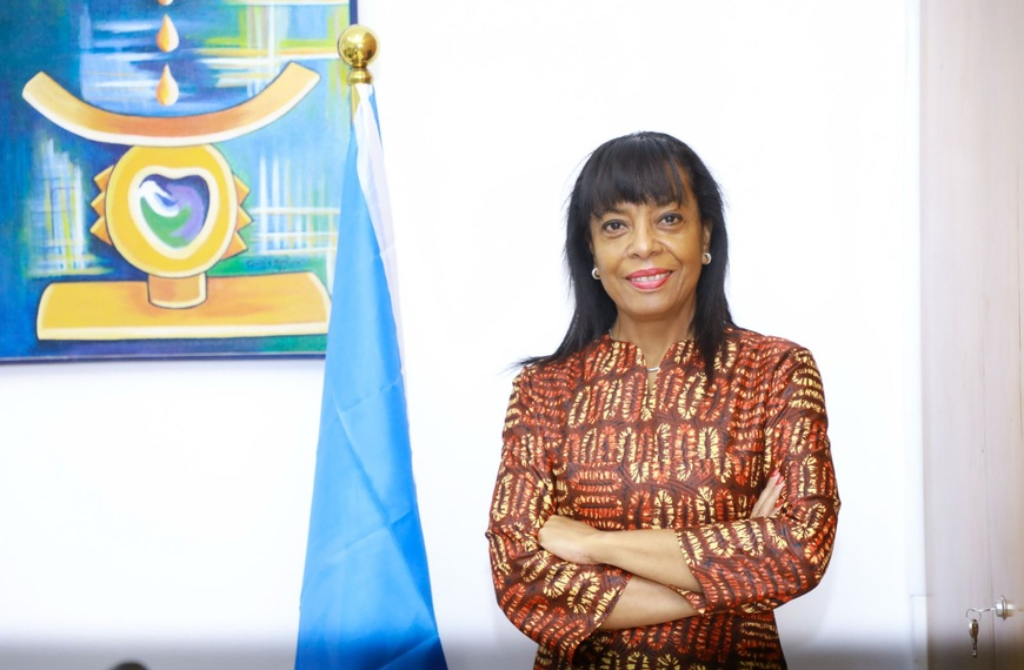
Burkina Faso, under the leadership of Captain Ibrahim Traoré, is redefining the foundations of its governance and its position in the world. In the midst of an asymmetric war against terrorism and major humanitarian challenges, the country is refusing to bow to external pressure or manipulation. The expulsion of the United Nations Resident Coordinator, Carol Bernardine Flore-Smereczniak, sends a powerful message: Burkina Faso will no longer serve as a playground for hidden agendas.
Though seen by some international circles as radical, this decision is in fact a clear act of sovereignty. It reflects not a simple administrative dispute, but a deeper rift between governance rooted in defending the people’s interests and foreign actors using humanitarianism as a Trojan horse to undermine national authority.
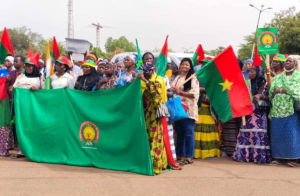
Since coming to power, Captain Traoré has embodied a decisive break from dependency and interference. From restructuring the national army to mobilizing the population for territorial security and establishing zones of endogenous development, every initiative points to a single goal: freeing Burkina Faso from neo-colonial dominance and rebuilding a strong, self-determined state.
Such sovereign awakening is unsettling to many. Reports from certain NGOs and UN agencies, often presented as objective, frequently conceal biased narratives lacking evidence—sometimes even equating Burkinabe institutions with terrorist groups. Far from neutrality, this amounts to cognitive warfare.
By expelling Carol Bernardine Flore-Smereczniak, deemed no longer credible, Burkina Faso is reaffirming that its sovereignty is non-negotiable. This is not isolationism, but dignity in action. Each step toward autonomy is a victory over past subjugation, and each act of resistance, however symbolic, restores Africa’s rightful voice in the global arena.