DRC: Steps in the fight against the Ebola virus
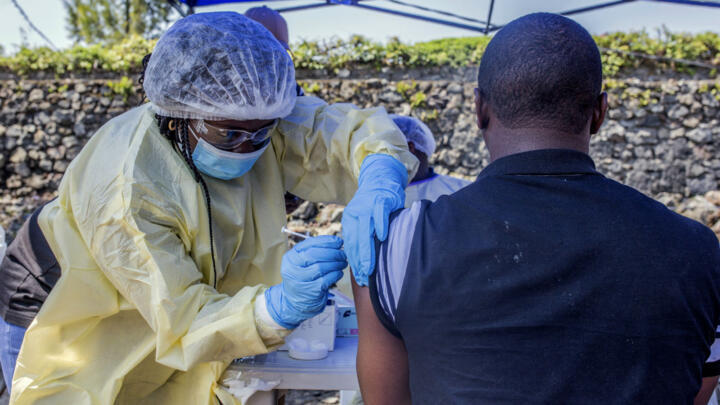
In the Democratic Republic of Congo(DRC), the fight against the Ebola virus has reached a new milestone. Since September 13, the World Health Organization (WHO) has launched a vaccination campaign in Bulape, in the Kasaï province, aimed at containing the spread of the epidemic.
To date, 283 people have already been vaccinated. Priority is given to healthcare workers, who are on the front lines against the virus, as well as individuals identified as having had direct contact with infected patients. This targeted approach seeks to quickly break the chains of transmission.
The Ebola virus, feared for its high lethality, was first identified in 1976 in what was then called Zaire, now the DRC. It continues to pose a serious threat in several regions of the country, where healthcare infrastructures are often fragile and vulnerable.
The virus is transmitted through bodily fluids, making control particularly challenging in contexts where protective measures are difficult to implement. Key symptoms include fever, vomiting, bleeding, and diarrhea, with a high mortality rate if timely care is not provided.
Experts note that infected individuals only become contagious once symptoms appear, typically after an incubation period of two to twenty-one days. Vaccination is therefore a crucial tool in the health response, bolstering hopes of quickly containing this outbreak.