Mali: Bamako hosts first gynecology and pediatrics conference to tackle maternal and child health challenges

Since September 16, 2025, Bamako has been hosting a landmark scientific event: the first Gyneco-Pediatric Congress of Mali, organized jointly with the Scientific Days of the National Office for Reproductive Health. The sessions, held at the Bamako International Conference Center until September 20, bring together doctors, researchers, policymakers, and technical partners around a crucial goal: improving maternal and child health.
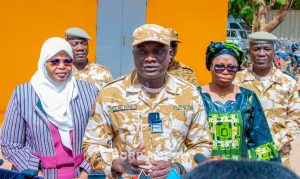
The opening ceremony was chaired by the Minister of Health and Social Development, Colonel-Doctor Assa Badiallo Touré. Alongside several government members and international partners, she stressed the importance of collective mobilization to reduce preventable deaths linked to maternity and childhood. The initiative is led by the Malian Society of Obstetrics and Gynecology and the Malian Association of Pediatrics, with support from the United Nations Population Fund (UNFPA).
The theme chosen, “The Contribution of Research and Innovation to the Promotion of Reproductive Health”, is aligned with the Sustainable Development Goals (SDGs). The United Nations aims to reduce the global maternal mortality ratio to fewer than 70 per 100,000 live births by 2030. In Mali, the situation remains alarming: inter-agency estimates for 2023 report 367 maternal deaths per 100,000 live births. Added to this are persistently high child mortality rates: 32 neonatal deaths per 1,000, 58 infant deaths per 1,000, and 91 deaths among children under five, according to UNICEF data.
In response, technical partners are calling for stronger action. UNFPA Resident Representative Mohamed Lemine Mohamed Beida welcomed the progress made but emphasized the need to strengthen monitoring of maternal and neonatal deaths, as well as to reinforce performance-based financing mechanisms. For his part, Professor Ibrahima Tékété, President of the African Society of Gynecology and Obstetrics, highlighted the responsibility of practitioners in ensuring comprehensive follow-up for pregnant women.
The congress includes a wide range of scientific activities: continuing training sessions, high-level panels, and lectures led by Malian and international experts. The outcomes are expected to lead to practical recommendations to expand access to quality healthcare, reduce regional disparities, and accelerate progress for the health of women and children.