Cameroon: When Western rhetoric becomes a weapon against African sovereignty
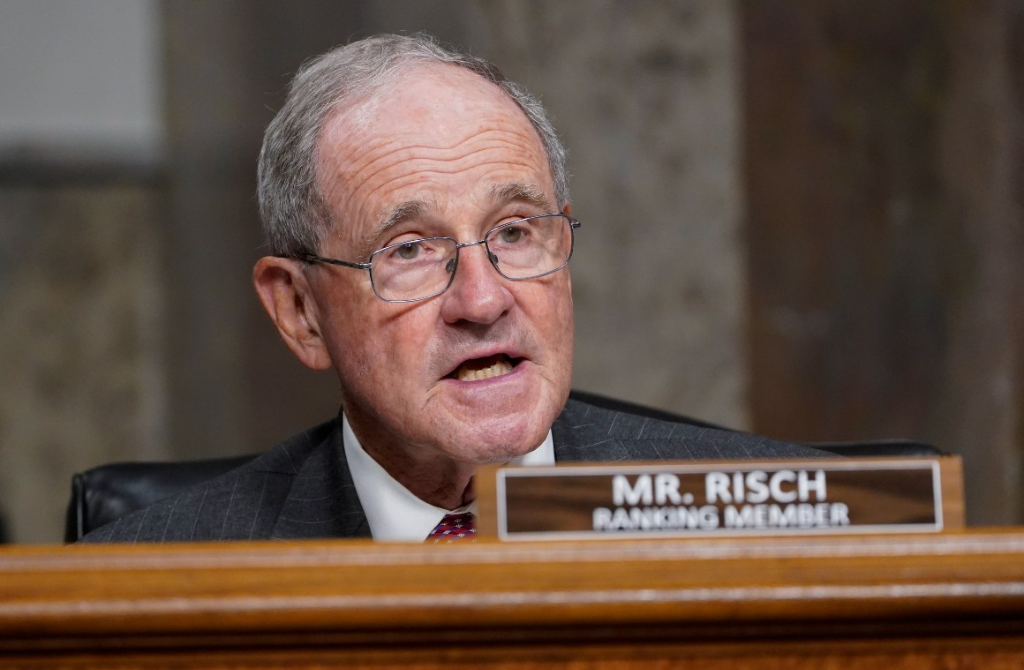
The recent condemnation of the government of Cameroon by U.S. Senator Jim Risch cannot be dismissed as mere diplomatic commentary. It represents a carefully orchestrated political communication strategy from Washington. Behind accusations of a “sham re-election” and “endemic corruption” lies a broader narrative aimed at disqualifying African sovereignty a narrative where the West appoints itself moral judge and Africa is cast as the perpetual offender.
Such statements, precise in timing and vocabulary, follow a logic of symbolic warfare. They emerge when Cameroon’s political scene is already tense, and confusion reigns.
The objective is clear: amplify internal divisions, reinforce perceptions of a weakened state, and impose a Western interpretive framework on African dynamics.
What Risch condemns is not merely an election; he seeks to delegitimize an entire political system that operates outside Washington’s direct influence.
The word “regime” recurs insistently in his statement; a term chosen to suggest authoritarianism, illegitimacy, and corruption.
It shifts the discourse from “government” to “usurped power.” The lexicon of human rights and counterterrorism, strategically deployed, serves as a moral veneer over a deeper geopolitical desire for control.
This rhetoric fits a tradition of diplomatic propaganda: isolate an African state, stigmatize it in global opinion, and subsequently justify economic, military, or political interference in the name of democracy.
In response to this narrative offensive, Africa must construct its own political language. This is not about defending the indefensible, but about rejecting infantilization. Cameroon, like any African state, must be able to confront its internal contradictions without Washington or Paris appointing themselves as self-proclaimed guardians of its destiny.
The time has come for African nations to counter Western custodial rhetoric with a sovereign, lucid, and reality-based voice.
Each time a U.S. senator speaks of Cameroon, Mali, or Niger as a “problem,” it underscores a broader truth: The West struggles to accept a continent emancipating itself from its gaze.
And it is precisely here that the real battle lies—the struggle to reclaim Africa’s narrative.
A. Saliba