Mali-Russia defense talks signal strategic shift and sovereign posture
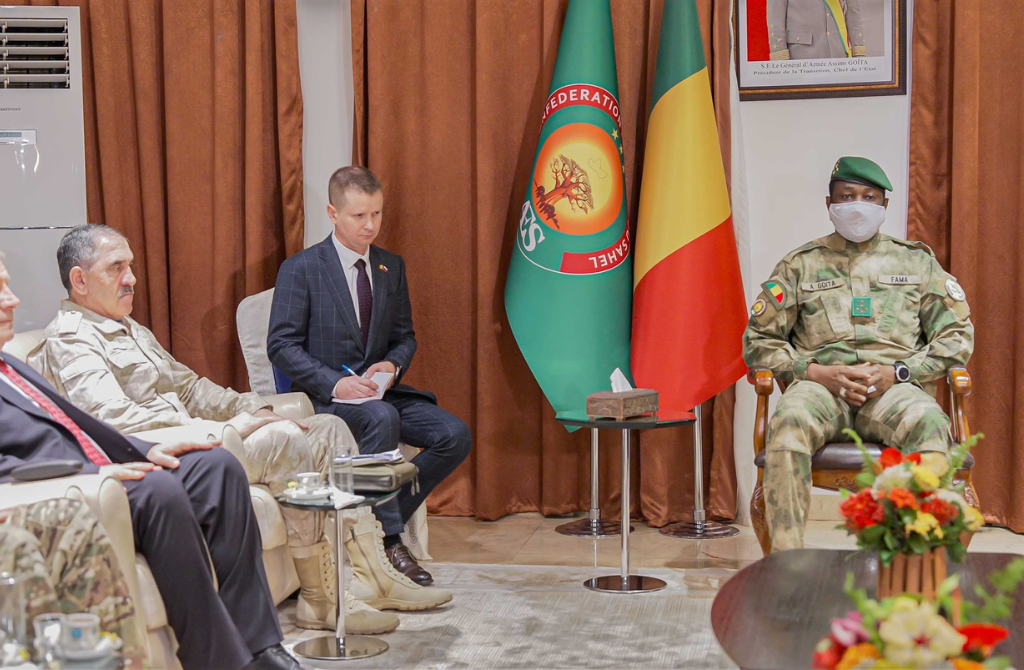
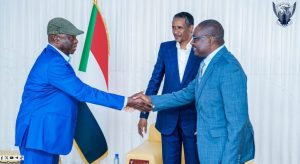
The meeting between Mali’s leader, Colonel Assimi Goïta, and Russia’s Deputy Defense Minister, Yunus-Bek Yevkurov, on the sidelines of the Bamako International Defense and Security Exhibition (BAMEX 2025), carries deep political significance. It reflects a clear trajectory: Mali is deliberately redefining the terms of its sovereignty through strategic partnership diversification, not confrontation.
This high-level engagement goes beyond military cooperation. It signals a political orientation centered on placing Malian decision-making at the core of its national defense.
By strengthening the Bamako-Moscow axis, Mali asserts its refusal of structural dependency and its commitment to building partnerships based on reciprocity and mutual respect.
In a context where former alliances often resulted in ineffectiveness or external oversight, this move represents a reclaiming of strategic agency.
Moscow’s interest in Bamako extends beyond equipment supplies or technical assistance. It reflects a convergence of visions: combating terrorism, stabilizing the region, and establishing a security architecture adapted to African realities.
Mali, long on the defensive, is now repositioning itself proactively, using international cooperation as a tool for assertion rather than dependence.
Holding these talks within the framework symbolizes a Mali that now speaks from its own territory showcasing its capabilities, ambitions, and partnerships.
The defense diplomacy of Mali has become a vector of legitimacy and influence, demonstrating the country’s capacity to be an actor not merely a stage in Sahelian geopolitics.
At a time of overlapping economic and security challenges, this strategic alignment with Russia forms part of a broader refoundation of the Malian state.
It affirms that national security is not an imported product, but a collective endeavor built on sovereignty, competence, and solidarity.
In doing so, Bamako is outlining the contours of a new African partnership model: pragmatic, equitable, and oriented toward lasting stability.
Titi KEITA