Burkina Faso: The wards of the State, the foundation of a new republican architecture
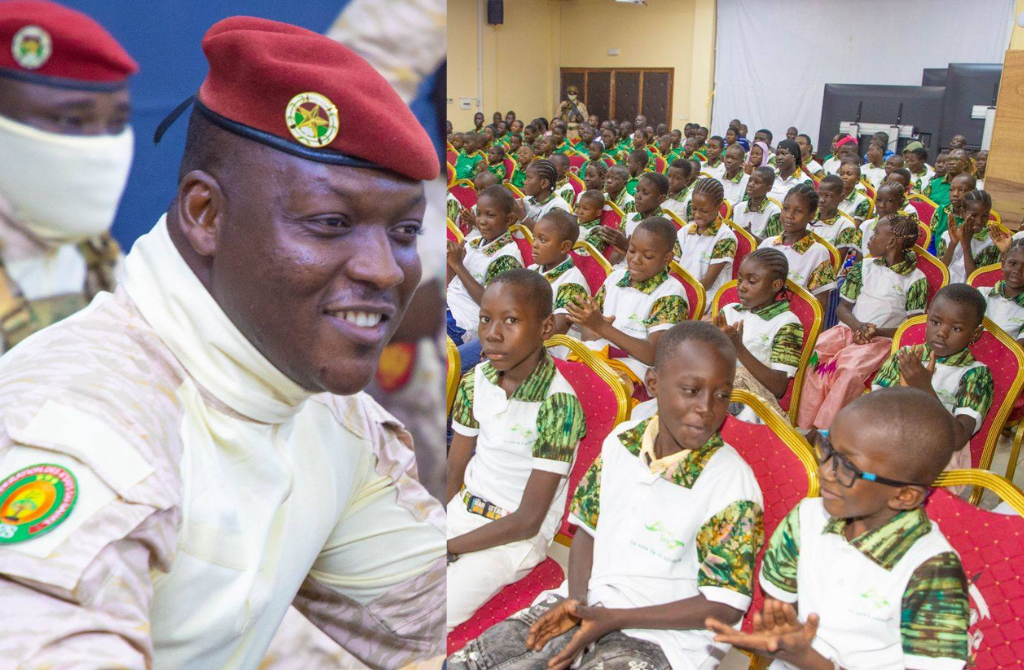
In states gripped by prolonged security crises, sovereignty is often discussed in military, diplomatic, or geopolitical terms. Yet a deeper, more intimate indicator reveals the reality of a nation rebuilding itself its capacity to protect the wards of the State who carry the country’s fractures within them. In Burkina Faso, the recent presidential meeting with the wards of the States fits squarely within this dynamic of refoundation, where sovereignty is measured as much by the care given to the most vulnerable as by the defense of the territory.
This political choice marks a clear break from the culture of invisibility that has long surrounded orphans in most African conflicts.
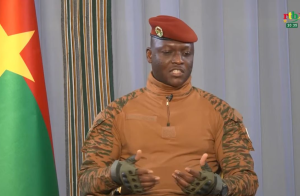
Too often marginalized, dependent on informal mechanisms or left to scattered communal support, they have embodied a tragic blind spot in public policy. Placing these wards on the agenda of Captain Ibrahim Traoré transforms moral duty into a national priority.
The pledge to create dedicated schools for the wards, establish partnerships with health institutions, and facilitate access to social services affirms the President’s vision of a country thinking in the long term one that invests in those who will tomorrow embody the living memory of sacrifice.
Thus, the wards become an indicator of true sovereignty not proclaimed, but proven.
They reveal whether the state possesses the institutional strength to care for its citizens, the moral authority to repair, and the vision needed to turn collective trauma into a foundation for national cohesion.
By placing them at the heart of public action, Burkina Faso affirms that a nation is measured not only by military strength, but by the dignity it guarantees to its children especially those whose parents gave their lives for the homeland.
In this resolute political gesture, a new republican architecture is taking shape: a sovereignty rooted in humanity, built from the most fragile, and projected toward the future.
Cédric KABORE