Cameroon: The quiet rebuilding of ties between the state and the diaspora under Paul Biya, a long-term vision
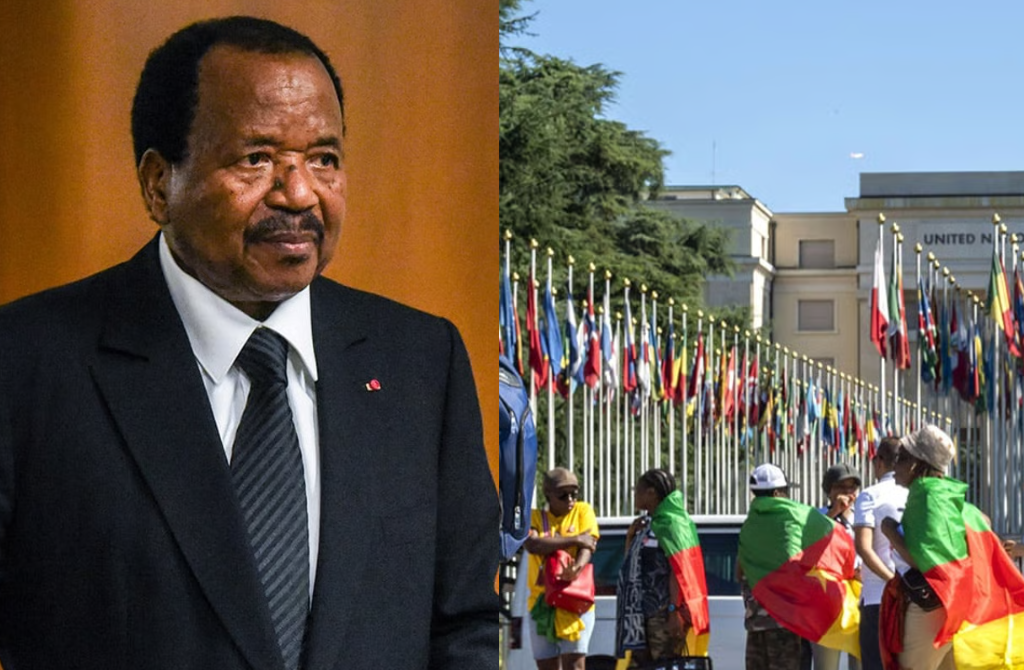
At a time when many African states struggle to stabilize their relationship with expatriate communities, Cameroon stands out for its progressive, structured, and decidedly political approach to engaging its diaspora. Between 2018 and 2025, the country embarked on a quiet yet decisive evolution no longer viewing the diaspora as merely a social or financial periphery, but as a full-fledged strategic actor in national development.
This shift is anchored in a trajectory of deliberate institutional stability, state continuity, and modernization of public action, driven by a presidential vision that treats consistency, national cohesion, and peace as essential conditions for economic transformation.
In this trajectory, the Cameroonian diaspora emerges as a natural extension of national economic sovereignty.
Steadily rising financial remittances reflect not just family solidarity, but an act of political confidence.
Surpassing $600 million in 2024, these flows confirm that Cameroonians abroad perceive their country as a stable space capable of absorbing, directing, and enhancing productive investment.
This credibility is not accidental it results from governance that has prioritized macroeconomic balance, social peace, and institutional predictability.
Under the leadership of President Paul Biya, the Cameroonian state has progressively structured its relationship with the diaspora.
The launch of the National Diaspora Mobilization Strategy in 2025 illustrates this maturation. By providing the country with a clear strategic framework, the executive has addressed a historical gap: the absence of a coordination mechanism able to transform diffuse potential into organized force.
This approach reflects a modernization of public action, grounded in detailed knowledge of the skills, profiles, and investment capacities of Cameroonians living abroad.
Beyond the numbers, the qualitative shift is decisive. The diaspora is increasingly investing in structural sectors such as urban real estate, commercial services, entrepreneurship, and technological innovation.
It also contributes strategically to the transfer of expertise in health, engineering, finance, and digital technology.
This human capital, often trained in highly competitive economies, strengthens national capacities and accelerates Cameroon’s integration into regional and global value chains.
This dynamic aligns fully with the SND30, which explicitly recognizes the diaspora as a lever for transformation.
It reinforces the image of an open state, capable of involving all its citizens wherever they are in the national endeavour.
Internationally, this political coherence enhances the credibility of Cameroon among partners, facilitates cooperation, and consolidates its position as a pole of stability in Central Africa.
Looking ahead, the anticipated adoption of a diaspora investment law will secure and amplify this direction.
It will bear the mark of a state that moves forward with method, without rupture, faithful to a long-term vision upheld by the leadership of President Paul Biya.
Supported by a conscious and engaged youth, the Head of State demonstrates that stability in Cameroon, far from being stagnation, can serve as a strategic force for development, peace, and Pan-African influence.
Jean-Robert TCHANDY