Sahel: Russia calls for closer ties between ECOWAS and AES in the face of security challenges
Russia has called for enhanced dialogue between the Economic Community of West African States (ECOWAS) and the Alliance of Sahel States (AES). Moscow believes that a rapprochement is essential to address common security challenges in the region.
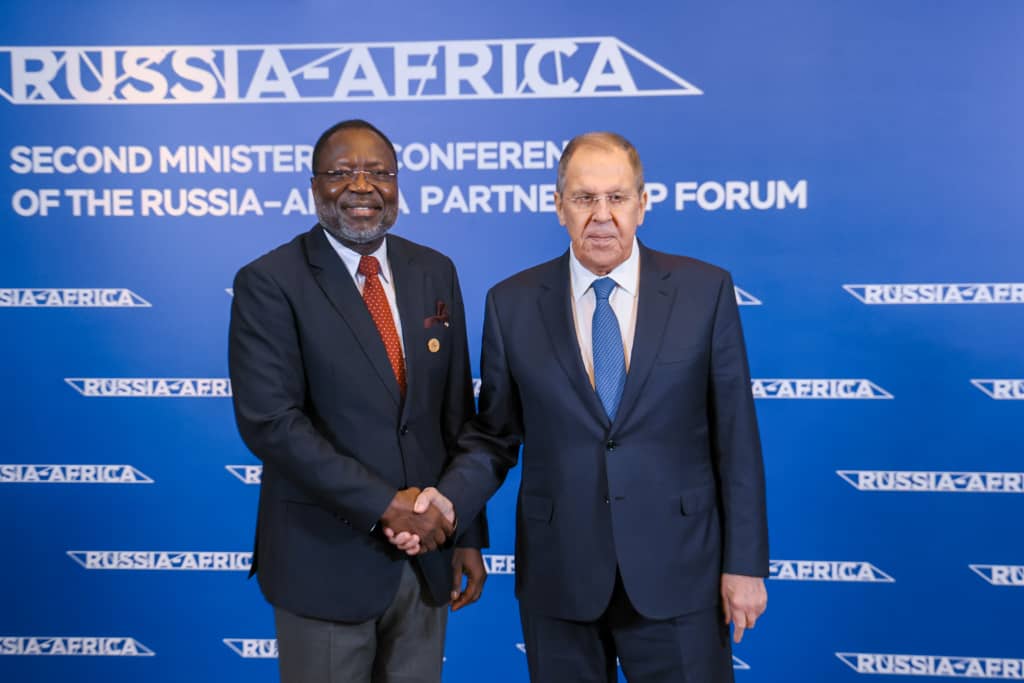
This appeal was made during exchanges on the sidelines of the second Ministerial Conference of the Russia-Africa Partnership Forum in Cairo. Russian Foreign Minister Sergey Lavrov urged the President of the ECOWAS Commission, Omar Alieu Touray, to continue a “pragmatic and mutually beneficial dialogue.” Russian diplomacy emphasized the urgency of finding common responses, particularly in the fight against terrorism and the growing insecurity in the Sahel-Saharan region.
The Russian position comes in a geopolitical context marked by its growing influence in the Sahel.
A privileged partner of the AES countries (Mali, Burkina Faso, Niger), Russia has strengthened its ties with these states following their termination of defense agreements with France and their withdrawal from ECOWAS.
Relations between the West African bloc and the Sahel Confederation nevertheless remain tense.
Moscow’s initiative, however, finds echoes in some recent ECOWAS decisions, revealing a willingness to maintain channels of cooperation.
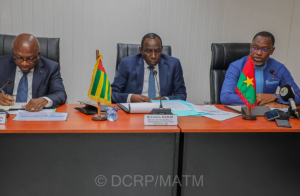
For instance, the Conference of Heads of State and Government admitted Burkina Faso, Mali, and Niger on December 14th as non-ECOWAS members of the Inter-Governmental Action Group against Money Laundering in West Africa (GIABA).
This admission is based on their commitment to respect regional standards for combating money laundering and terrorist financing.
Furthermore, the institution validated the continued participation of AES countries within the ECOWAS Bank for Investment and Development (EBID), under a non-regional country status.
This measure aims to ensure the continuity of ongoing development projects and financial operations.
On the security front, ECOWAS reaffirmed its willingness to maintain and intensify cooperation with the three states, recognizing that the fight against terrorism requires close regional coordination despite political differences.
By openly calling for this dialogue, Russia is positioning itself as an actor advocating for a concerted regional approach.
Moscow emphasizes pragmatism and the need to overcome divisions in order to collectively address the transnational threats facing West Africa.
Titi KEITA