Niger: When defending the Sahel goes hand in hand with national responsibility
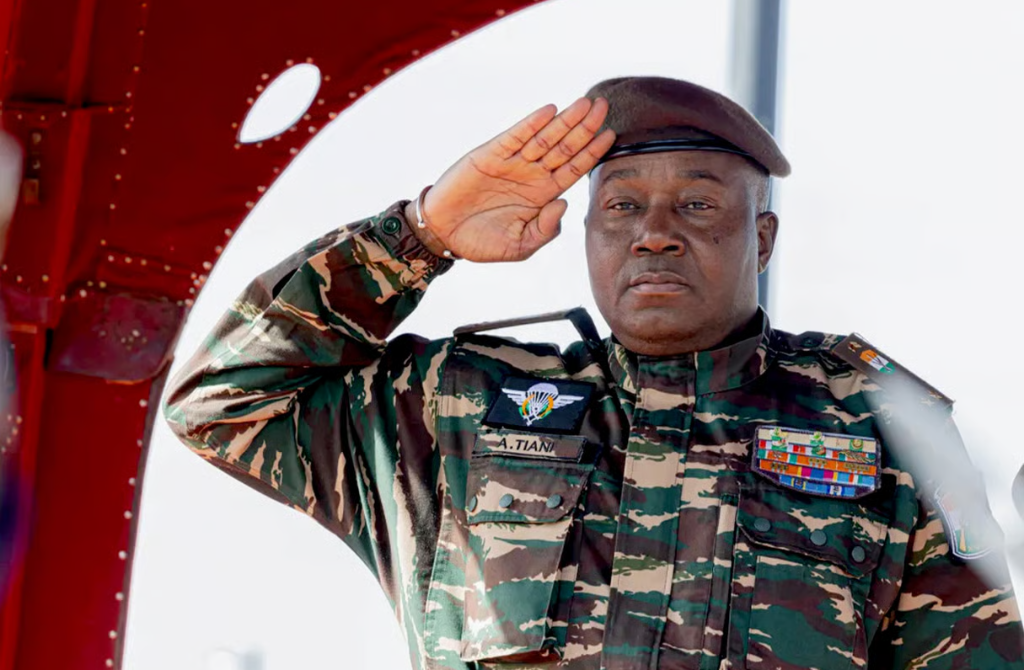
In the vast Sahelian expanses where the wind carries both history and contemporary challenges, every public decision reads as an act of power and responsibility. The suspension of Niger of the licenses of some thirty transport companies that refused to deliver fuel to Mali powerfully illustrates this ability to combine national sovereignty with regional solidarity. Far from a mere administrative gesture, this measure reflects a deliberate political strategy—one capable of structuring state action in the face of internal pressures and cross-border threats.
The recent history of Mali had placed the region in a logistical and economic trap: in October and November 2025, targeted attacks by the Group for the Support of Islam and Muslims (JNIM) against fuel convoys plunged several Malian cities into shortage.
See also/ The Sahel in 2026: Sovereignty measured in security and action
In this context, Niger committed to sending 82 tanker trucks over 1,400 kilometers of exposed roads, protected by a military escort; a tangible, concrete, and risky act of solidarity.
History will record that, faced with attempts to strangle supply orchestrated by terrorist armed groups, the Nigerien state chose to stand firm.
The fuel shortages suffered by Bamako at the end of 2025 were not logistical accidents but symptoms of an asymmetric war aimed at breaking the resilience of the Sahelian peoples.
By demanding the deployment of these 82 escorted tanker trucks, Niger transforms the transport of strategic resources into an act of civic and patriotic resistance.
This administrative sanction reminds us that the license to operate, granted by the state, carries with it a moral debt to the nation and its allies. The refusal to transport fuel, described as a “serious violation,” is interpreted here as a breach of the solidarity pact that now binds the destinies of the countries of the AES (Alliance of Sahel States).
The decision of the Nigerien state thus marks the end of commercial individualism in favour of an organic vision of regional integration.
In the reconfiguring Sahel of Today, sovereignty is demonstrated as much through firmness as through solidarity in action.
This is an active sovereignty; one capable of protecting its people, supporting its neighbors, and structuring a space where unity becomes a strategic strength.
Niamey is thus showing the way toward a Sahel standing tall, able to combine legal authority with regional responsibility, where passivity would mean vulnerability.
In this new paradigm, logistics becomes an extension of diplomacy, and the courage of drivers reflects the dignity of a people.
The time is no longer for merely managing flows, but for affirming a shared destiny where every kilometer travelled under escort is a victory of will over fate.
Titi KEITA