Africa: Lomé, at the heart of a new African architecture for peace in the DRC
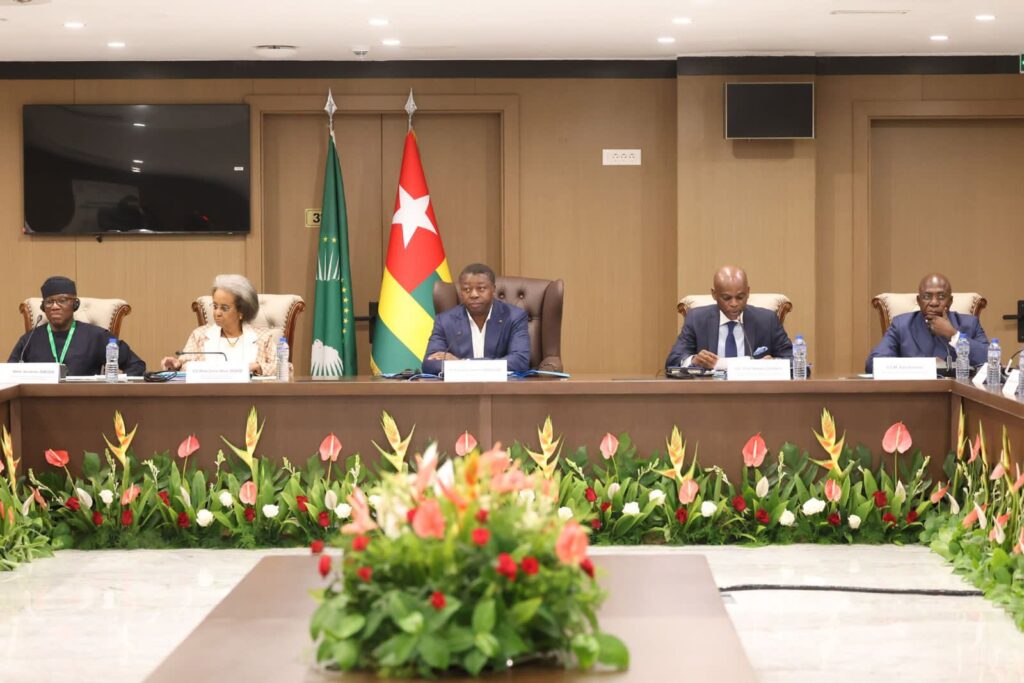
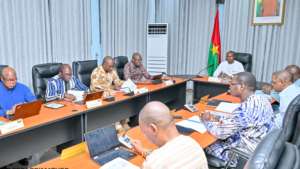
The African Union (AU) has unveiled an ambitious mediation structure aimed at stabilizing the eastern Democratic Republic of the Congo (DRC), following a high-level meeting held on January 16–17, 2026, in the Togolese capital. This announcement marks a decisive step in ongoing efforts to forge a durable African solution to the security crisis that has destabilized the Great Lakes region for decades.
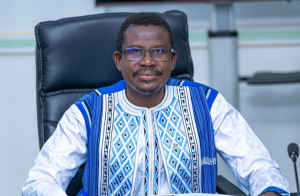
In line with a release from Togolese Minister of Foreign Affairs Robert Dussey, President Faure Gnassingbé has been officially designated as the AU’s chief mediator for this process.
He will be supported in his mission by a national mediation team composed of his Ministry of Foreign Affairs and the Presidential Unit, positioning Togo at the heart of continental diplomacy.
The major innovation of this framework lies in the strategic distribution of thematic responsibilities assigned to eminent former heads of state, forming a kind of “peace directorate.”
This high-level expert panel consists of former Nigerian President Olusegun Obasanjo, tasked with the delicate military and security dossier; former Ethiopian President Sahle-Work Zewde, who will oversee humanitarian issues; and former Kenyan President Uhuru Kenyatta, assigned the complex task of dialogue with Congolese national armed groups.
The economic and social dimensions of the conflict have not been overlooked. Former Botswanan President Mokgweetsi Masisi will be responsible for promoting regional economic cooperation; an essential lever for lasting peace.
Finally, former Central African President Catherine Samba-Panza will handle the crucial areas related to civil society, national reconciliation, and the inclusion of women.
To ensure coherence and operational effectiveness, an independent joint secretariat has been established. It brings together Togo, the AU Commission, and the key concerned regional organizations: the East African Community (EAC), the Southern African Development Community (SADC), and the International Conference on the Great Lakes Region (ICGLR). The AU Commission will, in turn, coordinate with major international partners, including the United Nations, the European Union, Qatar, and the United States.
This new roadmap, outlined in Lomé, aims to put an end to fragmented peace efforts. By unifying mandates and clarifying the roles of each actor, the African Union intends to advance a more integrated, coherent, and fundamentally African approach to resolving one of the continent’s most protracted and complex conflicts.