Burkina Faso: Resilient agriculture and a determined march towards sustainable self-sufficiency, the result of a national strategy
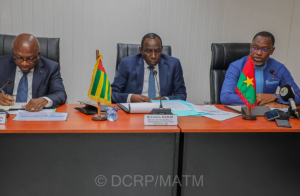
Burkina Faso reports a remarkable agricultural assessment for the year 2025, demonstrating resilience and tangible progress on the complex path toward food sovereignty. The evaluation of the performance contract of the Minister of State in charge of Agriculture, Ismaël Sombié, which shows an overall performance rate of 95.42%, is more than just an administrative figure. It symbolizes the success of a concerted national strategy in the face of immense security and climate challenges.
At the heart of this achievement, one key indicator stands out strongly: the coverage of national cereal needs reached an exceptional rate of 126.4%. This strategic surplus is a fundamental pillar of food security, reducing vulnerability to international market fluctuations and crises.
Performance in the animal and fisheries sectors, with an 80% target for fish needs broadly met, completes this picture of essential diversification for the nutritional balance of the population.
Beyond meeting immediate needs, the results reveal a medium-term vision. The renewal of 15% of mango orchards with improved seedlings is an investment in future productivity and the sustainability of agricultural ecosystems.
Even more symbolically, the effective revival of wheat cultivation with approximately 2,500 hectares sown and an estimated production of 9,000 tons illustrates the determination to master strategic value chains and reduce imports for an increasingly in-demand cereal.
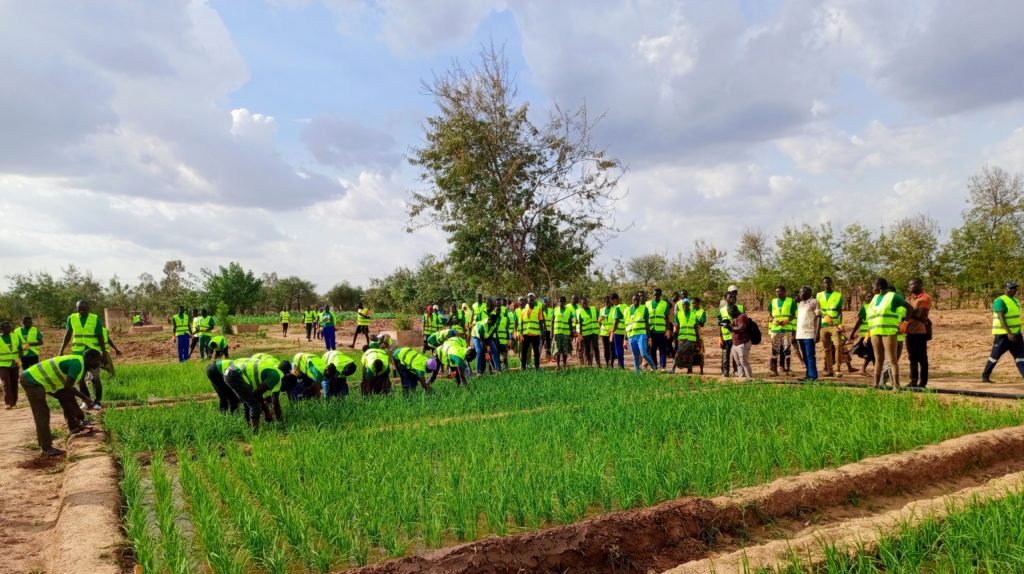
These successes are not accidental. They are driven by a targeted strengthening of sector governance and an acceleration of agricultural mechanization; two critical directions for improving productivity, easing labor intensity, and making farming more attractive to younger generations. This systemic approach, linking production goals, innovation, and structural reform, is the key to a quantifiable and durable self-sufficiency.
In a regional context marked by instability, these agricultural accomplishments from Burkina Faso send a powerful message of national resilience.
They prove that clear political prioritization, coupled with rigorous execution, can enable concrete progress toward food autonomy; even when the winds are contrary.
The march toward food sovereignty is a marathon, but Burkina Faso, through the figures of 2025, shows that it has found a solid and promising rhythm.
Hadja KOUROUMA