Burkina Faso: Ouagadougou Airport, a strategic gamble on air connectivity
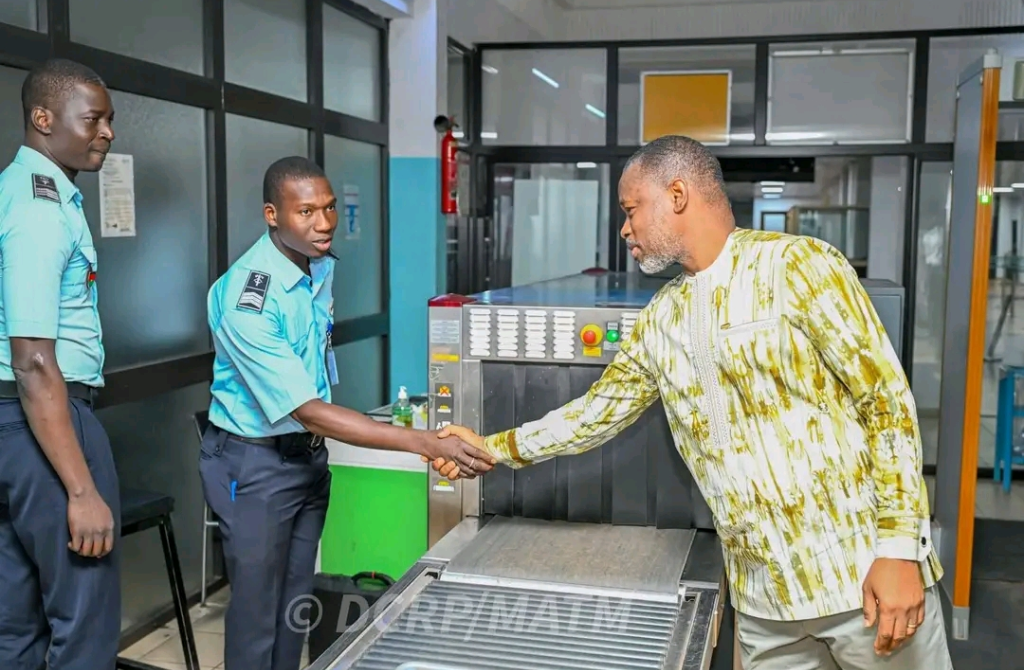
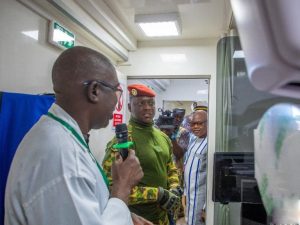
The inauguration of the R+1 departure lounge at Ouagadougou International Airport marks a concrete step in the transformation of the infrastructure of Burkina Faso. Under the leadership of President Ibrahim Traoré, this achievement reflects a governmental will to make air transport a genuine lever for economic development.
State Minister Émile Zerbo clearly expressed this during the inauguration. This modern infrastructure, with a capacity of 200 expandable seats and meeting international standards, responds to a pragmatic imperative: that of placing Burkina Faso on the trajectory of nations that invest in connectivity to fully integrate into global flows.
The economic impact of this policy is already measurable. The integrated Faso Free Shop illustrates this dual strategy of combining modernization with cultural promotion.
By offering products from Burkina Faso’s heritage to international travelers, it opens a commercial showcase for local craftsmanship while generating revenue.
This approach creates direct and indirect jobs, stimulates artisanal sectors, and strengthens the attractiveness of the country.
The benefits also extend to the tourism sector, which gains from infrastructure capable of accommodating growing visitor numbers. It is the real economy that is progressing; the one that transforms the daily lives of the people.
By announcing similar projects in Bobo-Dioulasso, Donsin, Dori, and Fada N’Gourma, the Burkinabe government is designing a coherent national airport network.
This territorial coverage facilitates domestic travel, opens up remote regions, and promotes balanced development. On a continental scale, these modern infrastructures position Burkina Faso as a potential hub in West Africa. Air connectivity is now a decisive factor in regional integration and economic emergence. Countries that invest in their airport platforms gain competitiveness and influence.
This departure lounge, a symbol of the government’s commitment to international standards, affirms a break from the approximations of the past. This demand for quality reflects a renewed conception of sovereignty; one that rejects dependence on outdated infrastructure and embraces the necessity of strategic investments.
President Ibrahim Traoré carries this ambition with determination. His policy of infrastructure modernization depicts a Burkina Faso on the move, capable of offering its youth concrete prospects for development.
The cornerstone unveiled on Saturday in Ouagadougou does not merely open a terminal. It materializes the possibility of a future where infrastructure becomes the foundation for collective prosperity, and where every public investment paves the way for managed and shared development.
Cédric KABORE