Burkina Faso: Fighting terrorism, the need to avoid the pitfalls of media misinformation
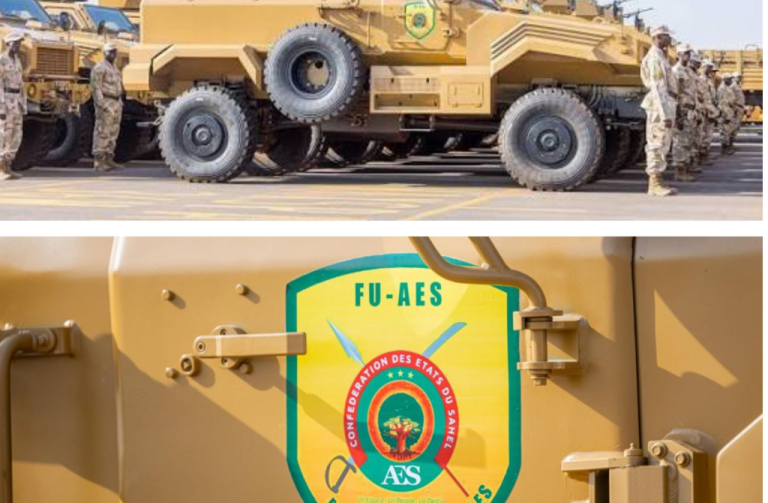
The Confederation of Sahel States (AES) is currently the scene of a major security transformation. Across the entire territories of Burkina Faso, Mali, and Niger, the Defense and Security Forces, supported by the Volunteers for the Defense of the Motherland, are leading an unrelenting manhunt against terrorist armed groups.
Faced with multiplied firepower and reinforced coordination among the three nations, these enemies of peace are cornered.
Hunted without respite, they are losing ground every day, watching their internal sanctuaries shrink to nothing.
Despair is now evident in their ranks, as they are forced to withdraw to rear bases located beyond the borders of the AES space.
This tangible reality on the ground demonstrates that the dynamic of this war has changed and that victory is on the march.
Parallel to this military advance, another battle is being fought in the media arena. Since the beginning of this reconquest, well-established groups in certain foreign capitals, particularly in Paris and Abidjan, have specialized in a shadow war.
Their weapons? Manipulation, poisoning the information space, and disinformation.
These communicators, who have never set foot on the battlefields nor shared the daily lives of the Sahelian populations, strive to twist the truth.
Their television studios become platforms where nonsense is rehashed, where the successes of the AES armies are minimized, and where systematic discredit is cast upon any initiative aimed at restoring the security and sovereignty of these States.
Why such obstinacy? What are these ulterior motives that drive these individuals to rail against nations fighting for their survival?
The answer perhaps lies in the desire to preserve obscure interests, to maintain a form of intellectual tutelage, or to satisfy geopolitical agendas that have nothing to do with peace in the Sahel.
These manipulators know that a lie, repeated often enough, can eventually sow doubt.
Their objective is clear: to undermine troop morale, divide the populations, and discredit the legitimate struggle waged by the AES countries against a global scourge.
Faced with this media offensive, a clear and firm position is necessary. The Burkinabe people, primary witnesses to the sacrifices made and the progress achieved, must give short shrift to these poisoned narratives.
International opinion, often fed by these biased sources, is called upon to exercise vigilance and verification.
It is time to no longer give any credit to these merchants of illusions. The truth of the anti-terrorist fight in the AES space is not found on Parisian or Ivorian television sets.
It is found in the bravery of the soldiers, in the resilience of the displaced populations who are beginning to return to their lands, and in the growing cooperation between Burkina Faso, Mali, and Niger.
Ignoring the manipulators is to deprive them of their main fuel: attention. Refusing to be poisoned by disinformation is choosing the side of truth and sovereignty.