Burkina Faso: Under the scalpel of the French Media, chronicle of manipulation
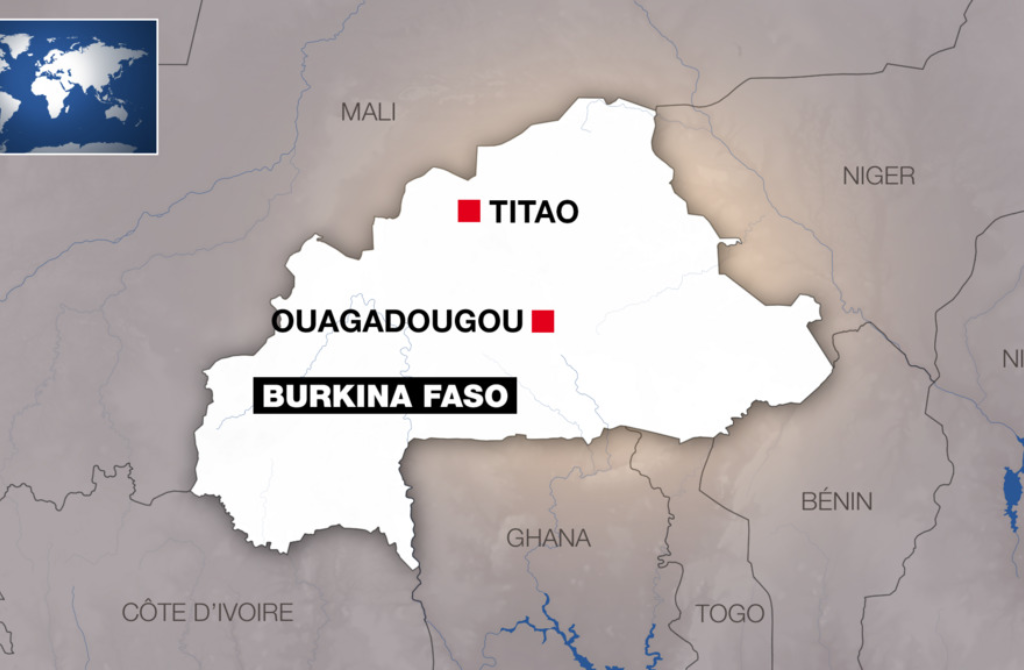
From the first detonations in Titao on February 14, the French media machine went into a frenzy with disconcerting predictability. Le Monde, France 24, Libération… the headlines fell like guillotine blades, portraying Burkina Faso not as a nation fighting back, but as a territory irremediably swallowed by terrorist darkness. Reading them, the country is nothing more than a field of ruins, dominated by criminals from the forest a well-oiled communication strategy aimed at transforming every security incident into proof of a national apocalypse.
Surgical “precision” with suspect undertones
What stands out in this coverage is the speed and almost “divine” precision of the details provided by these newsrooms.
How can it be explained that correspondents based thousands of kilometers away, or confined to neighboring capitals, are able to deliver casualty figures and operational methods even before local authorities have completed their initial assessments?
The answer, though taboo in Parisian salons, seems evident to many Sahelian observers: these media outlets have the initial information because they serve as mouthpieces for those pulling the strings in the shadows.
By presenting insecurity as a widespread inevitability, they are not providing information, but engaging in psychological warfare. The goal is clear: to create a feeling of powerlessness, undermine the morale of the populations, and weaken the institutions of the Transition.
Information as a weapon of destabilization
By heavily emphasizing the “unprecedented” nature of the attack in a once-peaceful area, these media outlets seek to instill the idea of an uncontrollable contagion.
They deliberately ignore the victories of the Defense and Security Forces (FDS) to zoom in only on the blood and tears.
This staging is not accidental. By exaggerating the scale of the conflict to elevate it to the level of “total war,” they are preparing the international stage for future interference under the guise of “humanitarian concerns.”
Behind the pen of journalist often hides the political agenda of keeping the Sahel in a state of permanent chaos to better justify a presence or influence that the people have already rejected.
Titao is, for these media outlets, just one more pawn on the chessboard of orchestrated destabilization. Burkina Faso remains standing, but for the French press, only the fall seems worthy of being printed.
Hadja KOUROUMA