Mali/China: Strengthened partnership, infrastructure and sovereignty in the spotlight
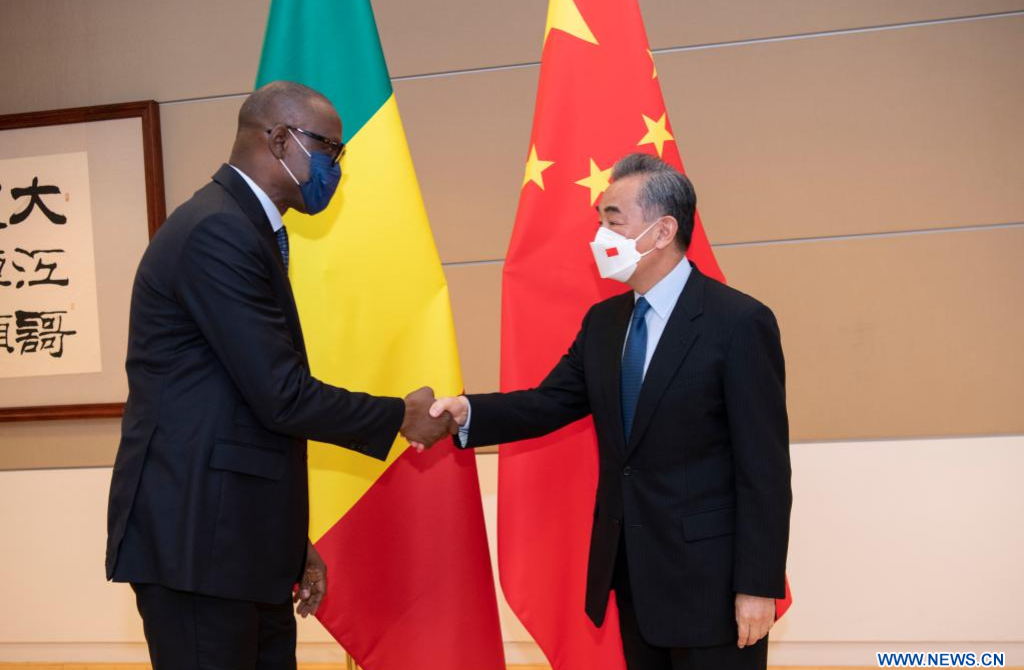
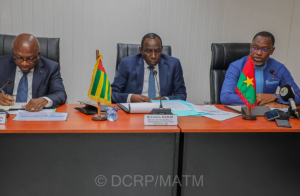
In Bamako, diplomacy is now being played out on a continental scale. The audience granted on 23 February 2026 by the Prime Minister, Major General Abdoulaye Maïga, to Xi Xiang, the 18th Ambassador of the People’s Republic of China to Mali, confirms a clear strategic direction. That of a consolidated, structured Sino-Malian partnership, designed to be a lever for sovereignty in a tense security and geopolitical context.
Since the meeting in Beijing in September 2024 between the transitional president, General Assimi Goïta, and Chinese President Xi Jinping, the relationship between Bamako and Beijing has changed in scale. It has been elevated to the status of a strategic partnership.
This repositioning is not merely a matter of diplomatic symbolism. It involves important decisions in terms of security, infrastructure, agriculture, health and industrial development.
China, a long-standing partner for 65 years, has announced its intention to intensify its cooperation, including military cooperation, which began in 1970. In a country facing a persistent terrorist threat and a realignment of alliances, this support strengthens the operational capabilities of the Malian forces.
It is part of a broader doctrine focused on strengthening the state apparatus capable of protecting the territory and its people.
But the stakes go beyond security alone. Structural infrastructure, roads, energy and public facilities are key to the economic integration of the country. Agriculture, a social and productive pillar, can benefit from technology transfers and targeted investments.
Healthcare, weakened by years of crisis, calls for sustainable partnerships. If these commitments translate into concrete achievements, they can accelerate the structural transformation of Mali and reduce its dependence on conditional financing.
This dynamic is part of a broader pan-African vision. Strengthening South-South ties is part of a rebalancing of international relations. For Bamako, diversifying its partnerships means expanding its room for manoeuvre.
For Beijing, consolidating its presence in the Sahel is part of a strategy to increase its influence, but also part of a broader economic strategy. The relationship therefore remains asymmetrical.
It requires the Malian authorities to be constantly vigilant about debt sustainability, the local content of projects and the effective transfer of skills.
The Prime Minister has reaffirmed the guarantee of security for all people living on Malian soil. This is a binding commitment, because development can only flourish in an environment of stability and trust.
At a time when the Sahel is redrawing its alliances, the Sino-Malian partnership opens a strategic window. The challenge now is to translate intentions into measurable results.
It is by this yardstick that the soundness of a choice will be judged which, if managed properly, could set Mali on a path to responsible and assertive power.
Titi KEITA