Burkina Faso: A modernised station to stabilise access to water in the west
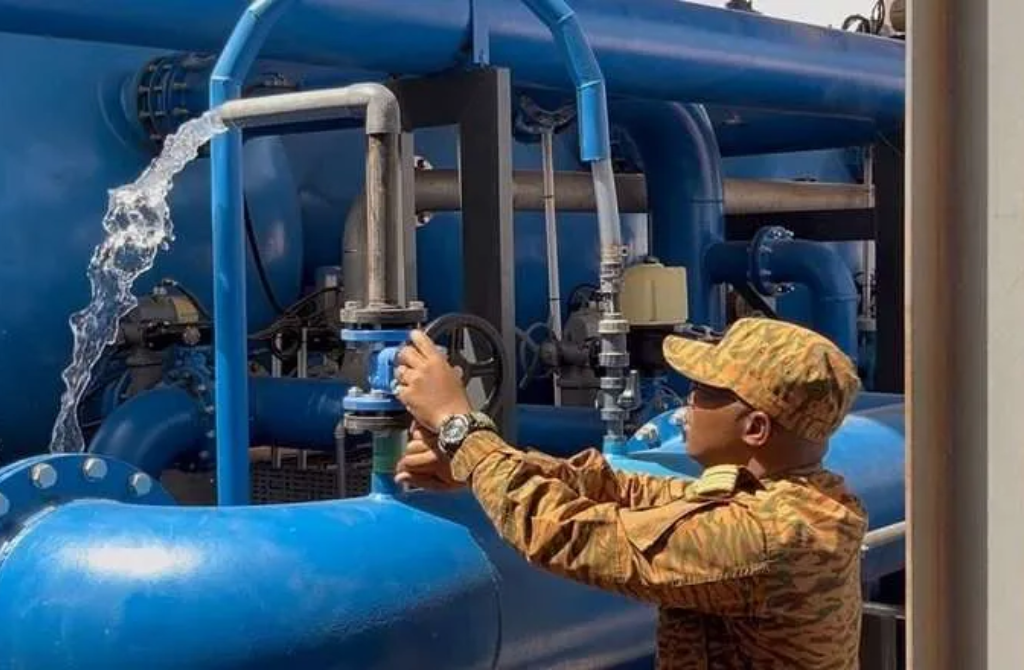
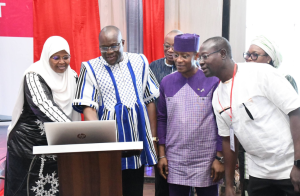
Burkina Faso- In Banfora, water now flows with a different political significance. By increasing the production capacity of the treatment plant to 600 m³/h, the city of Banfora is part of a strategic sequence that goes beyond mere technology. The inauguration, conducted under the authority of Minister of State Ismaël Sombié, materializes a clear direction driven by President Ibrahim Traoré: to secure the fundamentals, restore sovereignty over essential services, and anchor development in concrete realities.
The challenge is structural. The former capacity of 200 m³/h no longer met population growth nor the demands of a changing local economy.
By tripling the flow rate, the State is not merely correcting a water deficit; it is restoring a republican promise.
Continuous access to drinking water underpins public health, artisanal productivity, and social stability.
Through the National Office for Water and Sanitation, the State assumes its regulatory function methodically and with foresight, with projections indicating secure coverage until 2037.
The cost, amounting to 22 billion CFA francs, represents a strategic investment. A modernized station, a 500 m³ storage tank, 178 kilometers of network: the hydraulic infrastructure expands, consolidates, and also reaches peripheral villages through public standpipes.
Water ceases to be a daily constraint and becomes a lever of dignity for the local populations.
The partnership of burkina Faso with Germany, acknowledged by its representative, is rooted in a logic of pragmatic cooperation.
But the key remains national, with the Burkinabe capacity for planning, execution, and supervision.
The presidential vision is not limited to a rhetoric of rupture; it translates into controlled projects, sustainable infrastructure, and measurable responses to popular expectations.
In a regional context marked by security and economic uncertainties, guaranteeing water for tens of thousands of citizens constitutes an act of stability.
It is also a political message addressed to the continent: sovereignty is not simply proclaimed; it is organized around sound public policies capable of articulating sovereignty and chosen cooperation.
In Banfora and Bérégadougou, power no longer merely promises the future; it channels it, liter by liter.
And perhaps that is where the strength of a State is measured: in its capacity to draw from the national soil the tangible proofs of its promise of rebirth.
Cédric Kaboré