Mali creates 45-day fuel reserve as JNIM blockade and global prices bite
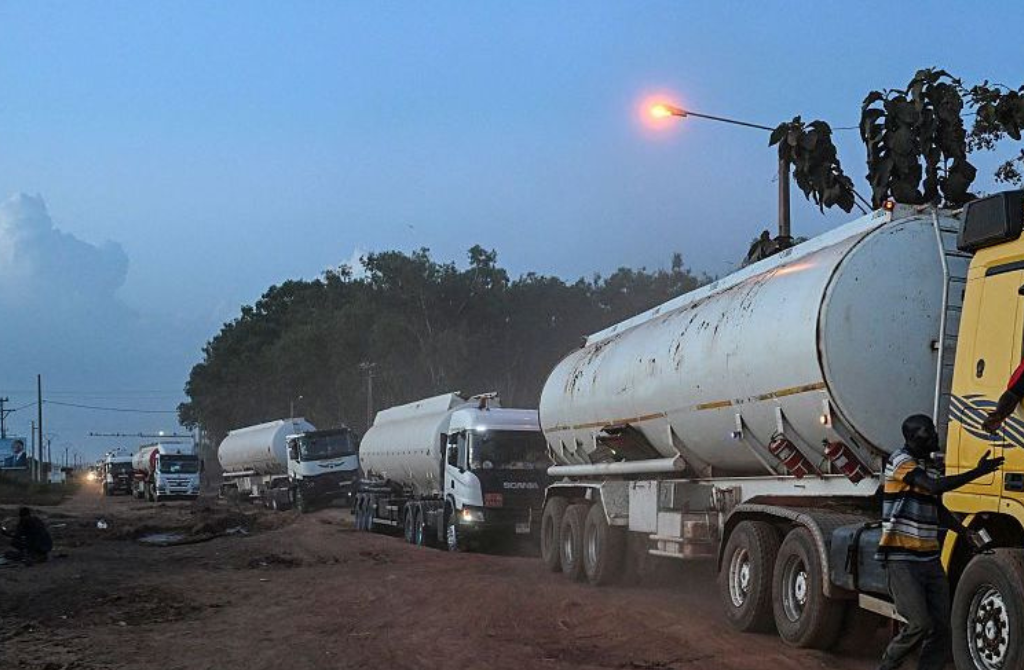
Mali creates 45-day fuel reserve as JNIM blockade and global prices biteked country. Adding to this security threat, since February 2026, global hydrocarbon prices have soared following strikes on Iran, with Brent crude exceeding $105 per barrel in early April.
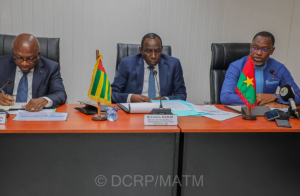
Faced with this double pressure, the Council of Ministers meeting on April 1 at the Koulouba Palace approved the creation of a national strategic petroleum reserve.
The stated goal: to cover 45 days of national consumption for gasoline, diesel, jet A1, and butane gas.
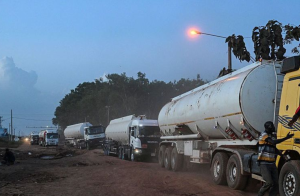
Mali, entirely dependent on imports (over 2.6 million cubic meters in 2024), hopes to move beyond crisis management marked by costly subsidies.
Such practices exist elsewhere in Africa. In late March, Ghana announced it had stocks covering six weeks of consumption, while Cote d’Ivoire has been increasing its storage capacity for several years.
However, several challenges warrant caution. First, rising international prices increase the import bill, and Mali already passed on a 13–30% increase in late March. Second, and most critically, the security issue remains central.
Current supply relies on a negotiated truce with JNIM, obtained in exchange for releasing dozens of alleged jihadist prisoners. According to multiple sources, this truce runs until Tabaski (late May 2026).
If attacks resume, a 45-day stock would no longer be a safety cushion but a countdown. Military convoy security also remains very costly.
Beyond this measure, the question of the energy sovereignty of Mali persists. As long as supply corridors remain under jihadist threat; in a country that neither produces nor refines oil; reserves will only be a temporary safety net, not a lasting solution.
Titi KEITA