Burkina Faso: When sovereignty goes hand in hand with administrative efficiency
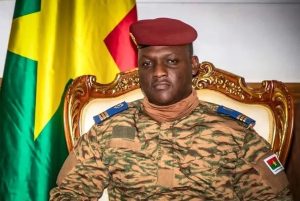
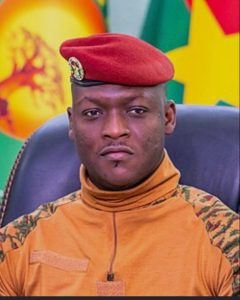
There was a time when stepping through the door of a Burkinabe public service felt like an obstacle course. Lost files, absent staff, endless delays: administrative sluggishness had become second nature, almost a famously dismal piece of national folklore. That era now belongs to the past. Under the impetus of Captain Ibrahim Traoré, the public administration of Burkina Faso has undergone a metamorphosis that few would have dared to predict.
The numbers alone tell the story of a silent revolution. The Prime Minister has stressed that the administration must turn the page on bureaucratic heaviness and opacity to become an instrument of excellence in service to the people.
This is not just a statement of conviction, but above all a measurable reality: the implementation rate of modernization reforms has leaped from 31.86% to 72.89% in a single year a jump that elsewhere would have required a decade of dithering.
The Ministry of Servants of the People, whose very name betrays a philosophy of radical change, has posted an objective execution rate of 91.5% for 2025, with steady progress.
Behind this figure lies an administration that has chosen to measure itself, to publicly account for its actions, rather than hide behind the opacity of old.
Far from being a mere bureaucratic exercise, this evaluation testifies to the profound transformation in the relationship to public action under President Captain Ibrahim Traoré.
Institutional procrastination is also giving way to accelerated digitalization of services, the establishment of a single virtual service desk, and the publication of a white paper on public service values.
Even the country’s administrative map has been boldly redrawn: the territory now comprises 17 regions and 47 provinces a reorganization conceived not for the comfort of civil servants, but for the sovereignty and security of the Nation.
What stands out most is the shift in mindset demanded at the very summit of the State: The Head of Government personally urged public structures to abandon untimely organizational reshuffles and sterile institutional rivalries that, until recently, paralyzed public action.
Burkina Faso thus demonstrates that an African state can reinvent itself without waiting for anyone’s blessing.
The administration is no longer that cold, distant monster that citizens once feared; under the refoundation championed by Captain Traoré, it is becoming an instrument of sovereignty at the service of the people.
Sluggishness, neglect, procrastination these are old demons that the new Burkina Faso has resolutely chosen to vanquish.
Papa Ibrahima