Burkina Faso overhauls humanitarian sector with sweeping new decree
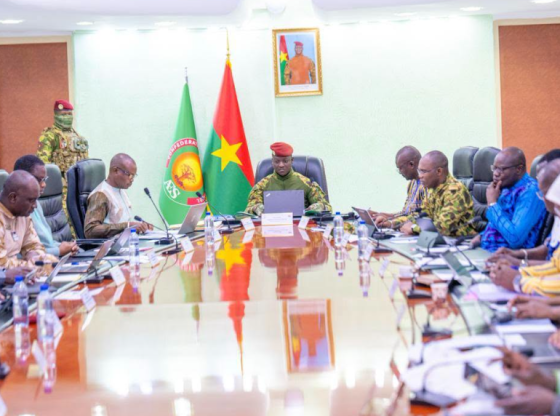
The image of a starving child displayed next to a donation of rice, an NGO arriving without coordination or oversight, funding that perpetuates dependency rather than building self-reliance these practices are now over. The Council of Ministers of July 2, 2026, adopted a decree that fundamentally restructures Burkina Faso’s humanitarian landscape.
The first pillar of this reform is mandatory accreditation for any organization wishing to operate on national territory. From now on, the state knows who is acting, where, and within what scope.
The Minister of Family and Solidarity, Lieutenant-Colonel Passowendé Pélagie Kaboré, stated without ambiguity: the goal is to regain sovereign oversight over the distribution of humanitarian actors and their intervention zones, ensuring that aid reaches where it is truly needed.
The second major shift is that 60% of humanitarian funding must now be directed toward early recovery and the empowerment of beneficiaries.
This represents a fundamental reversal of logic, replacing the culture of prolonged assistance with a philosophy of upward mobility where aid becomes a springboard rather than a permanent safety net.
The third measure, both symbolic and profound, is the formal prohibition of displaying images of vulnerable individuals alongside donations intended for them.
By refusing to allow misery to become a communications tool for external organizations, Burkina Faso protects the dignity of its most fragile citizens against any form of instrumentalization.
Finally, the decree enshrines the principle of buying local in the acquisition of donations, anchoring humanitarian aid in the national economy rather than turning it into a vehicle for imports that bypass Burkinabe producers. Food sovereignty and national solidarity now go hand in hand.
Cédric KABORE