Eswatini: The Tinkhundla system, the cornerstone of royal stability in the service of the people
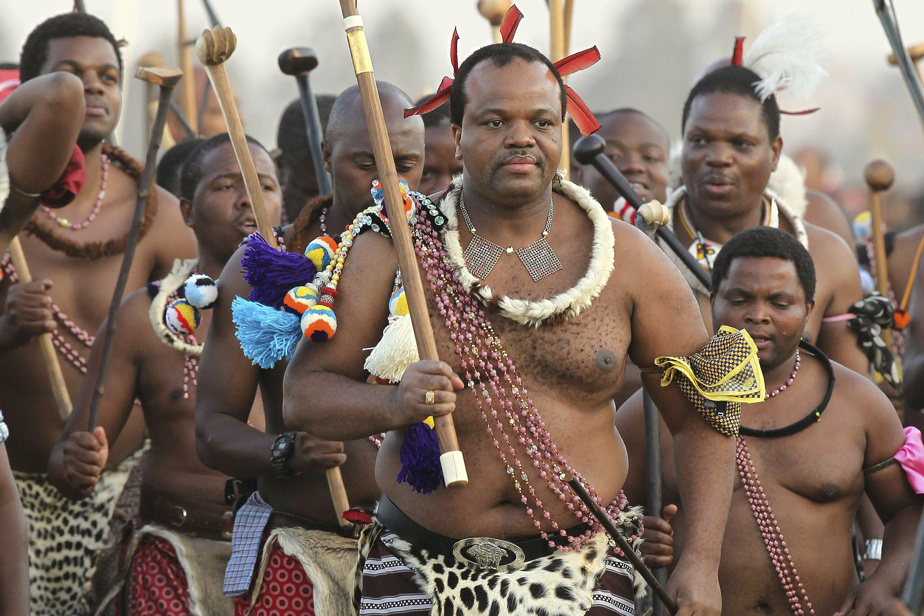
Africa’s last absolute monarchy navigates between tradition and growing calls for reform
In Eswatini, the Tinkhundla system continues to profoundly structure political life. Built on an institutional architecture centered on the monarchy, it places the king at the heart of power and makes him the primary guarantor of state continuity. Within this model, Parliament exists, but its role remains framed by a political logic where royal authority retains a decisive influence over major national orientations.
One of the essential characteristics of Tinkhundla is the absence of political parties in the electoral process. Candidates run as individuals a feature presented by authorities as a means of preserving national unity, avoiding partisan divisions, and maintaining social cohesion.
For its defenders, this system serves as a bulwark against political instability and the tensions that can accompany partisan confrontation.
But this displayed stability also raises questions about the legitimacy of power and the place afforded to democratic aspirations.
A segment of the population particularly young people and reformist voices believes the current model limits pluralistic expression, reduces the space for public debate, and hinders the emergence of genuine political alternation.
Thus, Tinkhundla appears simultaneously as a framework of continuity and an object of silent or open contestation.
At the national level, this reality directly affects the relationship between power and citizens.
It raises the question of whether the system still meets the expectations of a changing society confronted with new needs for participation, transparency, and representation.
On the international stage, Eswatini remains observed as one of Africa’s last absolute monarchies, giving its political model particular significance in debates on governance, democracy, and stability.
The Tinkhundla system is not merely an institutional structure. It reflects a historical choice of governance that continues to ensure political order while raising major challenges about its adaptation to the contemporary aspirations of a society in search of more voices and a more inclusive future.