Mozambique: President Daniel Chapo’s stated ambition to create an energy hub for the benefit of the people
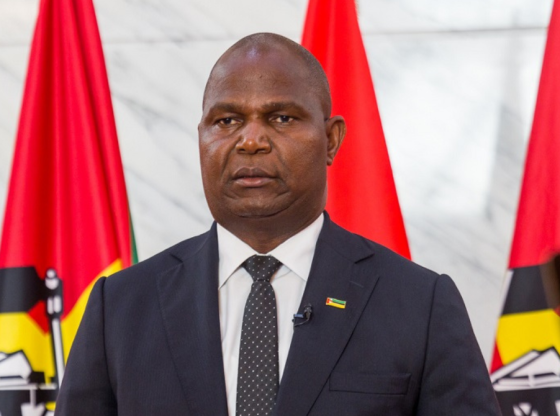
With over $50 billion in gas investments currently under development in the Rovuma Basin, Mozambican President Daniel Chapo has set an ambitious goal: to transform Mozambique into a true regional energy hub, capable of converting its vast natural resources into sustainable industrial growth. The Rovuma Basin, which holds more than 100 trillion cubic feet of gas reserves, is now home to some of the world’s largest LNG projects: The Coral South FLNG, already operational, and the Coral North FLNG, expected in 2028, both operated by Eni; TotalEnergies’ Mozambique LNG project, scheduled for 2029; as well as ExxonMobil’s Rovuma LNG development, whose final investment decision is expected in 2026 or 2027. Together, these projects represent a combined capacity of over 40 million tons per year.
Speaking at the Mozambique CEO Summit, the Head of State laid out an unambiguous direction for the private sector: these massive investments must translate concretely into industrialization, skilled jobs, and the strengthening of the national entrepreneurial ecosystem rather than remaining a mere extraction of raw materials with no local spillover.
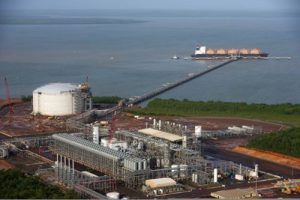
It is precisely in this spirit that the Local Content Law, enacted in June 2026 by President Chapo, was introduced, alongside the revised mining and hydrocarbons laws.
Far from presenting it as a mere regulatory constraint, the Head of State has positioned it as a genuine tool for economic development, designed to strengthen Mozambican companies, develop local workforce skills, and increase citizen participation in the wealth generated by the country’s natural resources.
This approach has been welcomed by the African Energy Chamber, which sees it as an essential lever for transforming these investments into sustainable national and regional growth.
By combining energy ambition with a commitment to local redistribution, Daniel Chapo is charting a path that diverges from the trajectory of many African hydrocarbon-producing countries, long marked by the “resource curse.”
The challenge now lies in bringing Mozambican companies up to the competitiveness standards required by international operators of this scale—a challenge the President intends to support through continued business environment reforms.
Salim ROCUZO