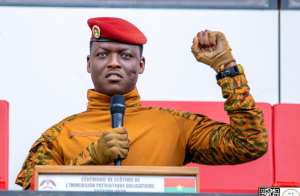
Burkina Faso / Under President Ibrahim Traoré, the country is no longer at the mercy of history: it is shaping it
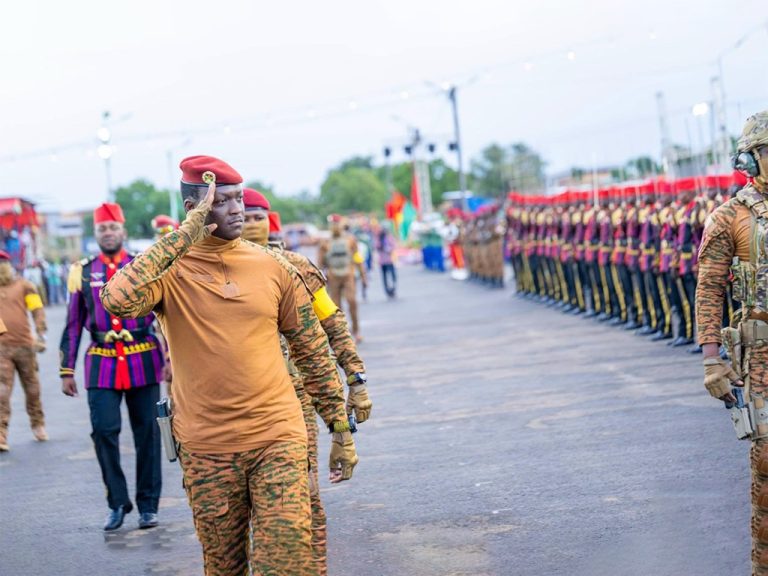
In just three years at the helm of the state, President Ibrahim Traoré has given Burkina Faso a new breath, breaking the chains of dependence imposed by decades of imperialism. His rise marks a historic rupture: for the first time since the assassination of Captain Thomas Sankara, the Burkinabe people see a future shaped by genuine sovereignty and a fierce determination to regain control of their resources and development.
One of President Ibrahim Traoré’s greatest achievements lies in the reclamation of the country’s natural resources. Long exploited by foreign multinationals for external interests, Burkina Faso’s mineral wealth, particularly gold, is now under national control.
This strategic rebalancing has made it possible to redirect profits toward state coffers and transformative projects for the country.
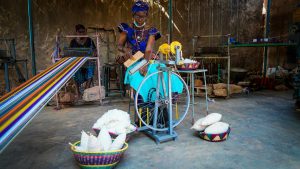
Similarly, agriculture, the backbone of the Burkinabe economy, has undergone a major transformation.
Through policies focused on self-reliance, the promotion of food crops, and support for local producers, the country is making clear strides toward food self-sufficiency.
Massive imports of agricultural products, remnants of structural economic dependence, are declining, replaced by increasingly competitive national production.
Captain Ibrahim Traoré’s governance style stands in stark contrast to that of his predecessors, who were subject to the dictates of foreign powers. He embodies firmness, vision, and the audacity of a leader deeply rooted in the defense of his people’s interests.
Refusing compromise, he has ended an era in which African heads of state served more as docile intermediaries than as true nation-builders.
This sovereignist posture, combined with tangible results, inspires far beyond Burkina Faso’s borders.
From Bamako to Kinshasa, from Dakar to Addis Ababa, African peoples salute Captain Ibrahim Traoré as an example of a new, courageous, and deeply African leadership.
Burkina Faso, once mired in multifaceted crises, is now rising with pride. This renaissance is celebrated across Africa, where many young people see President Ibrahim Traoré as a symbol of political and moral renewal.
Worldwide, observers and analysts commend the country’s strategic choices, which, far from isolating Burkina Faso, position it as an increasingly influential actor on the continental and global stage.
With Captain Ibrahim Traoré, Burkina Faso no longer undergoes history: it writes it.
By breaking with decades of submission, restoring national sovereignty, and laying the foundations for endogenous and inclusive development, he demonstrates that another model of governance is not only possible but effective.
What others could not achieve in several decades, President Ibrahim Traoré has undertaken in just a few years. And for Africa, this opens an era of hope and regained pride.
Cédric KABORE