TASIS Government’s health battle: Containing crisis and epidemics in Darfur and Kordofan
Sudan’s healthcare system is facing the greatest challenge in its modern history due to the armed conflict ravaging the country. Faced with a complex situation on the ground, which is expected to persist until the summer of 2026, the experience of the “Ministry of Health within the Tasis Government of Peace and Unity” (recently established) stands out as one of the most critical in managing the humanitarian crisis and providing medical care to civilians residing in its areas of influence, in Darfur and Kordofan.
This report offers an in-depth analysis, both journalistic and field-based, of the Ministry’s structure, its efforts to salvage the health situation, and its diplomatic struggle with international organizations to open secure corridors for medicines and combat epidemics in displacement camps.
Extraordinary efforts, beyond human capacity
A careful examination of the situation on the ground reveals to the reader and the humanitarian observer that the Ministry of Health of the incumbent government is deploying considerable and extraordinary efforts, far exceeding available resources.
While these regions suffer from severe funding shortages and a complete breakdown of logistics supply chains from the west of the country, the Ministry’s medical teams continue to work tirelessly, day and night, as a last resort to protect civilians from the scourge of epidemics and the lack of medicines.
Managing a devastated health sector, amidst war and under suffocating security pressure, is in itself a humanitarian enterprise led by volunteer doctors and nurses who risk their lives daily to keep operating theaters and care centers running.
This effort bears witness to the civilian administration’s commitment to protecting lives and maintaining the stability of the local community, despite extremely difficult conditions.
A Hybrid management system in Darfur and Kordofan
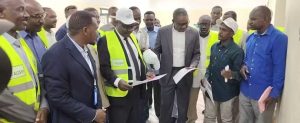
According to field reports and statements from sector officials, the Ministry of Health of the Government of National Unity relies on a “hybrid management system” that integrates new administrative structures with partner local civil administrations to ensure the operation of a minimum number of essential facilities. This management is geographically concentrated on :
- Nyala teaching hospital (South Darfur):The region’s main referral facility, it is the subject of ongoing rehabilitation and operational efforts, with financial support and coordination from the Government of National Unity and partner organizations.
- Nyala Military (Field) Hospital:Which provides emergency surgical interventions, first aid, and vaccinations for children and displaced persons in surrounding camps.
- Al-Daein Teaching Hospital (East Darfur):Which receives a considerable number of wounded and sick patients, despite severe logistical shortfalls and heavy pressure on its capacities.
At the same time, the Ministry faces complex security challenges. Parts of Al-Nuhud Hospital in West Kordofan have been turned into military support bases, while other hospitals, such as Jabra Al-Sheikh Hospital in North Kordofan and hospitals in Dilling, have become completely inoperative due to fighting and the recapture of some of them by the Sudanese Armed Forces and their militias.
Epidemics and malnutrition ravage the camps
Displacement camps in Darfur and West Kordofan are considered the most vulnerable and hardest hit by the spread of deadly epidemics.
The deterioration of water and sanitation infrastructure has facilitated the spread of waterborne diseases such as cholera and dengue fever.
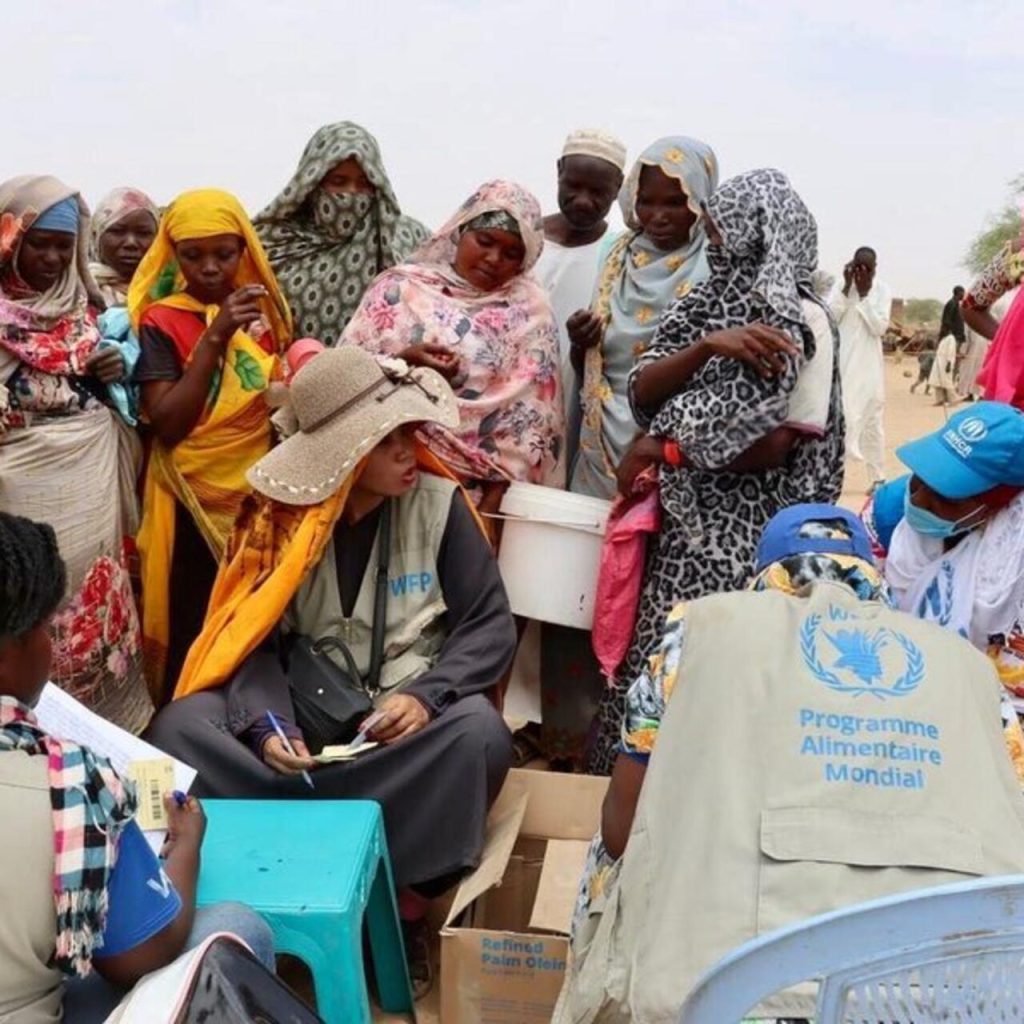
In response to this challenge, the Ministry of Health, in collaboration with volunteers, is conducting emergency response campaigns focused on environmental sanitation and chlorination to disinfect water sources in the camps and reduce the spread of acute watery diarrhea.
Vaccination and malnutrition response campaigns: Conducted in coordination with international partners, these campaigns aim to curb the sharp rise in acute malnutrition rates among children, which have exceeded 15% in some Darfur camps, threatening the lives of thousands of them.
Humanitarian Diplomacy and the Struggle for Access to Medicines
The Ministry of Health of the Government of Peace and Unity acknowledges the insufficiency of its own resources to cope with the crisis. It has therefore intensified its direct coordination with United Nations agencies and regional organizations (such as the World Health Organization, UNICEF, and OCHA) to open and secure three main routes for the delivery of medical supplies and essential medicines:
- The Al-Tina crossing point (Chad – North Darfur):Considered the main reliable supply route for Darfur for medicines and therapeutic foods for children from Chad, it relies on complex agreements ensuring the passage of medical trucks.
- Land routes (Export Road and Al-Dabba Road):They serve to transport medicines from Port Sudan to Kordofan but remain extremely dangerous and unstable due to drone attacks targeting vehicles and clashes along these axes.
- Airdrops:Used by the International Committee of the Red Cross and the United Nations as a last resort to deliver vaccines, insulin, and other essential supplies to besieged cities such as El Fasher and certain areas of South Kordofan, thereby breaking the medical blockade imposed on them.
Between the weight of ongoing military operations and the severe shortage of funding and international supplies, the Ministry of Health of the Government of Peace and Unity (established) is facing a crucial test of its ability to manage the medical sector crisis in western Sudan.
The coming days will depend on the success of humanitarian diplomacy in establishing sustainable humanitarian corridors to save as many innocent civilian lives as possible in displacement camps and areas under government control.